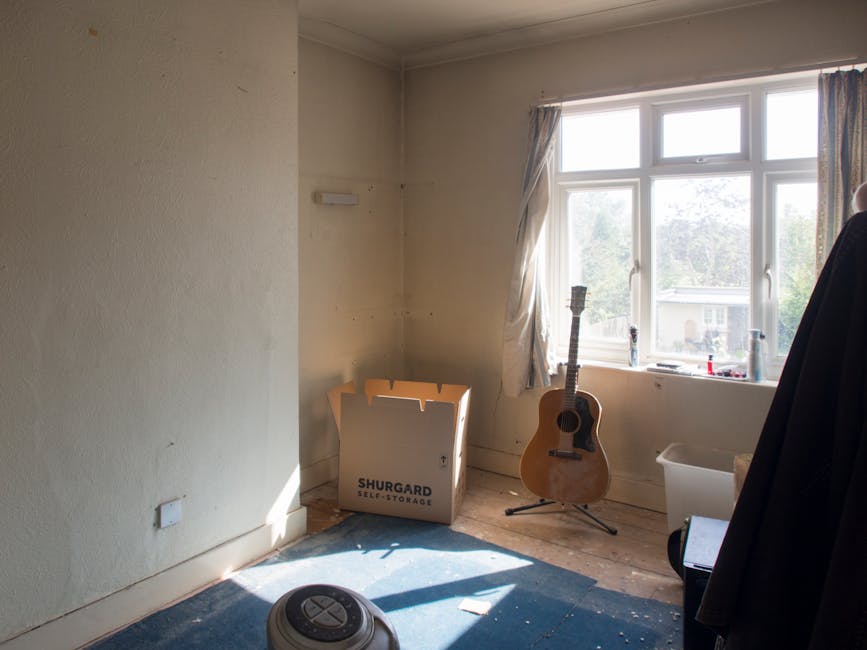
Builders' waste clearance after a Gants Hill renovation
If you have just finished a renovation in Gants Hill, you will know the odd afterglow that comes with it: new paint, fresh plaster, that faint smell of dust in the air, and then the pile of debris sitting there like it never got the memo. Builders' waste clearance after a Gants Hill renovation is the part that turns a half-finished site into a proper home, shop, or rental space again. It is not just about tidying up. It is about safety, space, compliance, and making sure the job really feels finished.
This guide breaks down what builders' waste clearance involves, how the process usually works, what to watch out for, and how to choose the right approach for your property in Gants Hill. Whether you have a small bathroom refit, a full house renovation, or a commercial refresh, the same basic problem appears: rubble, timber, plasterboard, packaging, old fixtures, and dust everywhere. Let's make it clearer, simpler, and a lot less stressful.
Table of Contents
- Why builders' waste clearance after a Gants Hill renovation matters
- How builders' waste clearance works
- Key benefits and practical advantages
- Who this is for and when it makes sense
- Step-by-step guidance
- Expert tips for better results
- Common mistakes to avoid
- Tools, resources and recommendations
- Law, compliance, standards, or best practice
- Options, methods, or comparison table
- Case study or real-world example
- Practical checklist
- Conclusion
- Frequently asked questions
Why Builders' waste clearance after a Gants Hill renovation Matters
Renovation waste is not the same as everyday household rubbish. It is heavier, sharper, dustier, and usually mixed with different materials. A typical project might leave behind bricks, broken tiles, wood offcuts, bathroom units, old kitchen carcasses, metal fixings, bagged plaster dust, and packaging from new fittings. If that waste lingers, it gets in the way quickly.
In a place like Gants Hill, where homes, flats, and small businesses often sit close together, clearance matters even more. A heap of boards or rubble in a front drive can block access, create complaints, and make the property look chaotic. If trades are still finishing snagging work, the waste can also slow them down. Nobody wants to step around a skip bag all day just to fit a skirting board.
There is also a safety angle. Loose nails, broken plasterboard, and shards of glass are obvious hazards. Fine renovation dust is less visible but often just as annoying, especially if you are trying to move back into the property quickly. Truth be told, a clean site often changes the whole feel of a project. It can be the difference between "nearly done" and actually done.
Expert summary: builders' waste clearance is not an afterthought. It is part of the renovation finish, and in many cases it is one of the last things standing between a messy project and a usable space.
How Builders' waste clearance after a Gants Hill renovation Works
The process is usually straightforward, but the details matter. First, the waste is assessed. That means looking at what is on site, how much there is, whether it needs sorting, and whether there are awkward items such as bathroom suites, old radiators, or large fitted units. A good clearance plan begins with an honest look at the job, not a guess.
Next comes loading and segregation. Mixed renovation waste often needs separating into practical categories such as rubble, timber, metal, plasterboard, and general construction debris. This makes handling easier and improves the chances of recycling where possible. Some materials, to be fair, are more fiddly than they look. Plasterboard and insulation can be awkward, and old fittings may hide screws, plaster, or sharp edges.
Then the waste is transported for appropriate handling. A professional clearance should be designed to remove waste efficiently without leaving the property in worse shape. That means protecting floors where needed, avoiding damage to walls or hallways, and making sure access routes are kept tidy. If you are in a flat or terrace in Gants Hill, that careful handling is especially useful because access can be tight.
Finally, the waste should be taken to an approved facility or recycling route, depending on its type. Good operators also issue the right paperwork where required and explain what happened to the waste. If a provider cannot explain that part clearly, that is a small red flag. Maybe not a huge one, but still.
In practice, a clear process tends to look like this:
- Assess the waste type and volume.
- Decide whether sorting is needed on site.
- Remove waste safely from the property.
- Load and transport it responsibly.
- Dispose of, recycle, or divert materials appropriately.
- Leave the area swept and ready for the next stage.
Key Benefits and Practical Advantages
The obvious benefit is a clean, usable property. But there are several others that people often overlook until they run into a problem. The first is speed. Renovation waste left sitting around tends to slow everything else down. It gets in the way of decorators, cleaners, electricians, and even basic furniture delivery.
The second is presentation. If you are selling, letting, or just trying to enjoy the finished space, a tidy exit matters. A room with fresh plaster and a pile of broken tiles in the corner does not feel finished, no matter how nice the new flooring looks.
The third is risk reduction. Heavy bags of rubble, loose timber, and sharp offcuts can cause trips and strains. That is not dramatic language; it is just how jobs go wrong. One misstep on a wet front path or cluttered staircase and the day gets very long, very fast.
There is also a recycling benefit. Renovation waste can often include materials that should not simply be thrown together. With the right handling, some of it can be separated and directed into more responsible waste streams. If environmental impact matters to you, that is worth asking about early. You can also look at the company's recycling and sustainability approach if you want to understand how materials are treated.
Practical advantages at a glance:
- Less mess and dust after the renovation
- Safer access for trades, family, or tenants
- Faster handover and final cleaning
- Better presentation for photos, lettings, or occupancy
- More responsible handling of construction materials
Who This Is For and When It Makes Sense
Builders' waste clearance is not only for large contractors. In real life, it is often needed by homeowners, landlords, managing agents, developers, and small businesses who have had work done and now need the aftermath removed.
It makes sense after jobs such as:
- Kitchen and bathroom refits
- Loft conversions
- Rear extensions
- Structural alterations
- Window and door replacements
- Shop refurbishments
- Office fit-outs
- Plastering, tiling, or flooring projects
It also makes sense when a renovation has gone on longer than expected. That happens more than people admit. Materials arrive, trades rotate, the weather turns, and suddenly waste has been accumulating in the side return for two weeks. If that sounds familiar, you are not alone.
For landlords in Gants Hill, clearance is often about resetting the property quickly between tenancies. For homeowners, it is often about reclaiming the space without having to spend a weekend making repeated tip runs. For builders, it can be the final step that protects reputation. Nobody wants a client remembering the rubbish more than the workmanship.
If you are comparing options, it may help to review the company's about us page and see whether their approach matches the kind of job you need. Experience matters, but so does the way they handle people, access, and communication.
Step-by-Step Guidance
If you want the clearance to go smoothly, a bit of planning goes a long way. Here is the practical version, stripped of fluff.
1. Walk the site and list the waste
Start by identifying what is there. Separate rubble from timber, and timber from mixed waste if possible. Note anything unusually heavy, awkward, or potentially hazardous. A quick walkthrough before clearance day can save a lot of back-and-forth later.
2. Clear a path
Make sure there is a workable route from the waste area to the exit. This matters in flats, terraced houses, and tight driveways. Even a narrow hall becomes manageable if you remove obstacles first. Simple, but easy to forget when the room is full of dust sheets and boxes.
3. Decide what should stay
It sounds obvious, but renovation jobs often leave behind items that are not actually waste: spare tiles, touch-up paint, documents, or fittings that will be reused. Mark those items clearly. A misplaced "keep" pile can disappear quickly if nobody labels it.
4. Check access and timing
In Gants Hill, access can be the difference between a quick job and a long one. Think about parking, stairs, shared entrances, lift use, and neighbour impact. If you are arranging clearance around trades, it is usually better to schedule it after the main dusty work but before the final clean.
5. Confirm handling and disposal
Ask how the waste will be taken away, where it goes, and whether it is sorted. That is not being awkward. It is sensible. A responsible operator should be able to explain their method in plain English without sounding evasive.
6. Finish with a proper sweep-down
The best clearances do not stop at removal. They leave the site tidy enough for the next stage. A swept floor, cleared hallway, and removed dust bags make a noticeable difference. Sometimes that final reset is the bit that gives everyone a bit of relief.
Expert Tips for Better Results
Over time, a few habits make renovation waste clearance much less painful. First, separate waste as you go if the project allows it. A mixed pile is harder to move and often slower to process. Even basic separation into rubble, wood, metal, and general waste can help.
Second, do not underestimate weight. A bag that looks manageable can become back-straining very quickly once it is full of broken tiles or plaster chunks. If you are handling anything heavy, use proper lifting technique and never be too proud to ask for help. Pride is not worth a trapped back. Been there, regretted it.
Third, keep wet materials away from dry cardboard or paper. Once plaster, paint, or damp dust gets into packaging, recycling options may shrink. Small detail, big difference.
Fourth, take photos before the clearance if there is any dispute about what needs removing. That is useful for landlords, contractors, and homeowners alike. It avoids the classic "was that included?" conversation.
One more thing: if you expect ongoing snagging work, do not clear everything too early. Leave anything that trades may still need. There is nothing worse than removing an item only for someone to ask where the offcuts went three hours later.
For trust and process details, it can also help to review practical company information such as health and safety guidance and insurance and safety information before booking.
Common Mistakes to Avoid
Most problems with builders' waste come from rushing, guessing, or assuming the obvious will sort itself out. It rarely does.
- Leaving clearance until the last minute: waste builds up, access gets worse, and the job feels more stressful than it needs to.
- Mixing everything together: rubble, timber, metal, and plasterboard all in one pile can complicate handling and reduce recycling options.
- Ignoring access constraints: in Gants Hill flats or tight streets, parking and lifting routes matter more than people expect.
- Forgetting about sharp or hazardous items: broken glass, nails, and metal edges can cause avoidable injuries.
- Not checking what is included: some clearance jobs are straightforward, but bulky or specialist items may need to be discussed in advance.
- Choosing on price alone: cheap can become expensive if the site is left untidy or the waste is handled poorly.
A small but common mistake is assuming builders' waste is just "rubbish." It is not. It often contains mixed materials that need care. That distinction matters, even if it sounds a bit boring at first glance.
Tools, Resources and Recommendations
You do not need a warehouse full of kit to manage builders' waste properly, but a few practical items help a lot.
- Heavy-duty rubble sacks for smaller, dense waste
- Gloves with grip for handling rough materials
- Dust sheets to protect finished surfaces during removal
- Tape or labels to mark items that are staying
- Wheelbarrow or sack barrow if the route allows it
- Brush and shovel for the final sweep-down
On the planning side, the most useful resource is a provider that explains costs clearly and does not hide behind vague wording. If you are still comparing quotes, the pricing and quotes page is a sensible place to understand how enquiries are handled.
If you are arranging a job and need to speak to someone directly, the simplest next step is usually to use the contact page and describe the waste type, access, and timing. The more specific you are, the more accurate the quote is likely to be.
And if you are the sort of person who likes the fine print before you commit, the company's terms and conditions and privacy policy are worth a quick look too. Not exciting, admittedly, but useful.
Law, Compliance, Standards, or Best Practice
Builders' waste clearance sits in a space where common sense and compliance overlap. You do not need to memorise legislation to make a sensible choice, but you should expect proper handling, responsible disposal, and clear communication about what happens to the waste.
In the UK, construction and renovation waste is generally expected to be managed carefully, especially where mixed materials, sharp items, dust, or potentially contaminated items are involved. The exact obligations can vary depending on the type of waste, the property, and who is generating it. That is why responsible operators tend to talk about safety, insurance, and lawful disposal in plain terms rather than promising magic shortcuts.
From a best-practice point of view, the basics are straightforward:
- Waste should be handled safely and not dumped casually.
- Potentially recyclable materials should be separated where practical.
- Access, lifting, and loading should be managed with care.
- The provider should be transparent about what they can and cannot take.
- Paperwork, receipts, or job records should be kept where appropriate.
It is also wise to choose a provider that treats safety as a real operational issue rather than a slogan. For that, pages like health and safety policy, insurance and safety, and modern slavery statement help signal that the business takes its responsibilities seriously.
If a clearance job involves shared entrances, narrow stairwells, or heavy lifting, those practical risks matter as much as the paperwork. Honestly, sometimes more.
Options, Methods, or Comparison Table
There is more than one way to deal with builders' waste after a renovation. The right option depends on the amount of waste, the access, your budget, and how quickly you need the space back.
| Method | Best for | Pros | Limitations |
|---|---|---|---|
| DIY tip runs | Very small renovation jobs | Can feel cheaper if you already have transport | Time-consuming, physically demanding, and easy to misjudge weight or volume |
| Skip hire | Longer projects with steady waste output | Useful for ongoing work and mixed debris | Needs space, can affect access, and may not suit tight Gants Hill streets |
| Bag collection | Smaller volumes or limited access | Less intrusive than a skip in some settings | Capacity can be limited; heavy waste still needs careful handling |
| Professional builders' waste clearance | Most renovation clean-ups, especially when speed matters | Fast, practical, and less disruptive; often includes loading and removal | Costs depend on volume, access, and waste type |
For many renovation projects in Gants Hill, professional clearance is the least awkward option. Not always the cheapest on paper, but often the one that saves the most time and hassle. That does count for something.
Case Study or Real-World Example
Imagine a typical two-bedroom flat renovation near Gants Hill station. The kitchen has been ripped out, old flooring has come up, and the bathroom is being refitted. By the end of the second week, there is a mix of broken tiles, cabinet carcasses, plasterboard offcuts, packaging, and a few bags of dust that nobody wants to keep stepping over.
The owner could try to manage it in stages with car trips to a waste facility, but that would mean multiple loads, parking stress, and wasted daylight. It would also mean carrying heavy bags through a shared entrance, which is never a fun conversation with neighbours. Instead, the waste is assessed, sorted where practical, and removed in one organised clearance visit after the main strip-out work is done.
The result is simple: the decorator can start without dodging rubble, the cleaner can do a proper finish, and the property looks calm again instead of half-demolished. Small win? Maybe. But in renovation terms, it is a big one.
That last stage is often underestimated. People spend ages choosing tiles and taps, then rush the aftermath. Yet the final impression is built on both.
Practical Checklist
Use this checklist before arranging builders' waste clearance after a Gants Hill renovation:
- Identify the main waste types on site
- Separate items to keep from items to remove
- Check access points, stairs, and parking
- Confirm whether there are any heavy or awkward items
- Decide when the clearance should happen in relation to other trades
- Ask how waste will be sorted or handled
- Review safety, insurance, and company information
- Make sure the area is clear enough for safe loading
- Confirm any timing constraints or neighbour sensitivities
- Keep photos or notes of what needs removing if needed
Quick takeaway: the smoother the clearance plan, the less likely you are to end up with wasted time, damaged surfaces, or that classic post-renovation mess that somehow hangs around for weeks.
Conclusion
Builders' waste clearance after a Gants Hill renovation is one of those jobs that looks simple from a distance and then becomes oddly complicated the moment you stand in front of a pile of rubble and broken packaging. But with a clear plan, the right handling, and a bit of local awareness, it becomes manageable very quickly.
The main thing is not to treat clearance as an afterthought. Make it part of the renovation finish, not something you hope to sort out later. That way you protect safety, save time, and leave the property in a genuinely usable condition. And let's face it, that is the point of doing the renovation in the first place.
If you want a straightforward next step, review the practical service information, check pricing details, and use the contact options to describe your job clearly. A clean finish has a way of making everything else feel lighter.
Get a free quote today and see how much you can save.
Frequently Asked Questions
What counts as builders' waste after a renovation?
Builders' waste usually includes rubble, plasterboard, wood offcuts, old fittings, tiles, packaging, broken fixtures, and similar construction debris. It is the leftover material from the work, not normal household rubbish.
Do I need professional clearance for a small renovation?
Not always, but many people choose it for convenience. Even a small bathroom or kitchen project can create surprisingly heavy and awkward waste, and a professional clearance saves multiple trips and a lot of lifting.
Can builders' waste be recycled?
Some of it often can be, depending on the material and condition. Clean timber, metal, and certain other construction materials may be suitable for separate handling, while mixed or contaminated waste is more limited.
How soon should waste be cleared after a Gants Hill renovation?
Usually as soon as the main dusty or demolition work is done, but before the final clean and handover. If trades still need access, it may be better to leave a small amount in place until they have finished.
What if my property has tight access or stairs?
That is very common in London properties. Tight access does not necessarily stop clearance, but it does mean planning matters more. Mention stairs, parking, and shared entrances early so the job can be prepared properly.
Is builders' waste clearance different from regular rubbish removal?
Yes. Builders' waste is usually heavier, bulkier, and more mixed. It may need special handling because of sharp edges, dust, weight, or material separation. A regular household collection is not the same thing.
What should I ask before booking a clearance?
Ask what waste they can take, how they handle loading, whether they sort recyclable material, what affects the price, and how they manage safety and access. It is also worth checking their health and safety policy and pricing and quotes information.
Can I leave the waste in a front garden or driveway until later?
You can, but it is not ideal. Waste left outside can become a trip hazard, block access, or create complaints. Wet weather does not help either. A clear site is usually easier and safer.
How do I know if a quote is fair?
A fair quote should be based on realistic details such as waste volume, access, and the type of materials involved. If a quote seems vague or unusually cheap, ask what is included before agreeing.
What happens to the waste once it is removed?
It should be taken to a suitable facility or processed through a responsible route, depending on the material. Good operators should be able to explain their handling approach clearly, without talking in circles.
Do I need to worry about insurance and safety?
Yes. Clearance work involves lifting, sharp materials, and property access, so insurance and safety practices matter. It is sensible to check the provider's insurance and safety information before booking.
What if I have a complaint after the job?
It is best to contact the provider promptly and explain what happened clearly. You can also review the complaints procedure so you know how concerns are handled. Most issues are easier to resolve early.
Can I get help if I am not sure what needs clearing?
Yes. In many cases, a quick description of the site, plus a few photos, is enough to work out the likely scope. If you are unsure, use the contact page and explain the renovation stage, access, and the main waste items.
Is there anything I should keep on site before clearance starts?
Yes. Keep any items you intend to reuse, any documents, and anything trades still need for snagging. A clear label or separate area helps prevent accidental removal. That little bit of organisation saves hassle later.
What is the biggest mistake people make with renovation waste?
The biggest mistake is waiting too long. Waste builds up, paths narrow, and the final tidy-up turns into a bigger job than it needed to be. A timely clearance keeps the whole project moving and feels much less stressful.