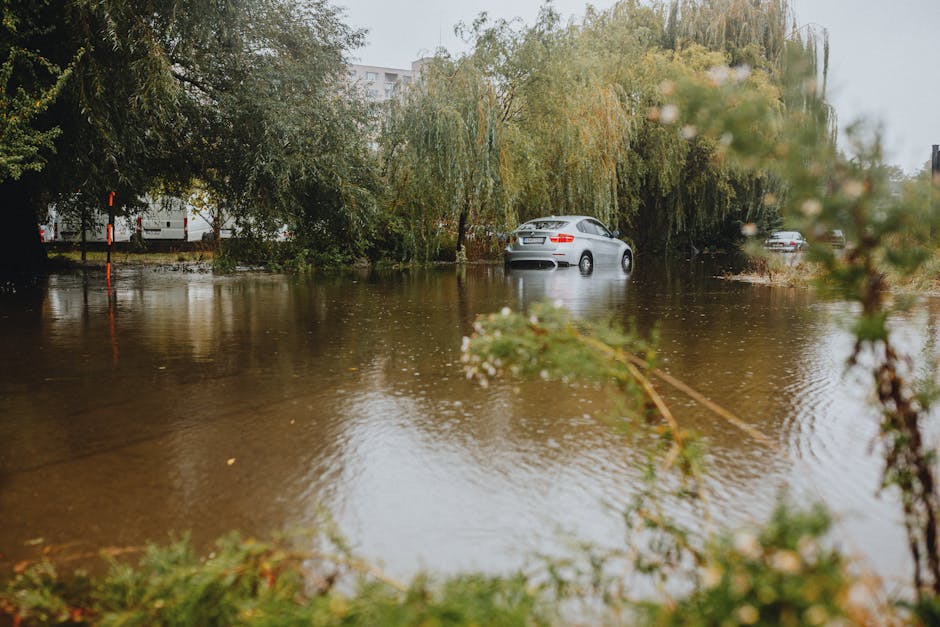
Emergency clearance for flooded basements in Ilford
If your basement has flooded, the first few hours matter more than people think. Water spreads fast, soaked items start to smell, and what looked like a manageable mess can turn into a much bigger problem by the next morning. That is exactly why emergency clearance for flooded basements in Ilford is not just about "taking things away" - it is about making the space safe, stripping out damaged contents quickly, and helping you stop the situation from getting worse.
In practice, this kind of clearance often sits right at the crossroads of urgency, safety, and plain old stress. You may be dealing with storage boxes, broken furniture, carpets, damp plasterboard, or the odd surprise nobody wants to find in a basement after a flood. The good news? A calm, methodical approach makes a real difference. In this guide, we will walk through what emergency basement clearance involves, when it makes sense, how the process usually works, and the mistakes that can trip people up.
It is written for homeowners, landlords, tenants, and businesses in Ilford who need practical answers now, not vague reassurance. Let's get into it.
Why Emergency clearance for flooded basements in Ilford Matters
A flooded basement is rarely just a damp room. Once water has entered a below-ground space, it can affect stored belongings, electrical fittings, flooring, insulation, and sometimes the walls themselves. The longer items sit there, the more likely they are to become contaminated, warped, mouldy, or simply beyond saving. And if the water came in from a burst pipe, surface runoff, or drainage backup, the contents may be dirty enough that careful handling is needed straight away.
In Ilford, many basements are used for storage, utility space, laundry equipment, archived paperwork, or long-term household items. That means the clearance job is often part emotional and part practical. You might be looking at family keepsakes, spare appliances, old furniture, or business records. Not everything can be rescued, and that is a hard moment for people. Truth be told, one of the hardest parts is deciding what to keep, what to dry, and what has to go now.
Emergency clearance matters because it creates breathing room. It removes saturated waste quickly, reduces trip hazards, helps contractors access the room, and limits further damage from prolonged damp. It can also make later drying or repair work much more efficient. If a basement is packed with waterlogged items, no dehumidifier in the world will work properly. That part gets overlooked a lot.
There is also a safety angle. Floodwater can hide broken glass, sharp metal, unstable shelving, and contaminated residue. Even a short visit into a flooded basement can be risky if the power has not been isolated or if the floor surface is slippery. So while it may feel urgent to start dragging things out immediately, the safer route is usually a controlled clear-out with the right protective steps in place.
Key takeaway: The best emergency basement clearance is fast, but it is also careful. Speed matters, yet safety, sorting, and proper disposal matter just as much.
How Emergency clearance for flooded basements in Ilford Works
Every flood is different, but the process normally follows a sensible pattern. The goal is not just to remove waste; it is to stabilise the room and make the next stage of recovery possible.
First comes an assessment. This is where the team looks at access, water level, item types, contamination risk, and whether anything is too heavy or dangerous to move casually. In a basement, that can mean checking stairs, tight turns, low ceilings, and the condition of the floor. If the room is still partly flooded, the job may need to start with safer routes for removing smaller items rather than trying to clear everything at once.
Next comes sorting. Some contents may be salvageable, some may need to be isolated for drying, and some will be classed as damaged waste. Cardboard boxes, rugs, upholstered furniture, old wardrobes, broken white goods, and soaked soft furnishings often need to go. If there are items with visible mould, sewage contamination, or structural collapse, they should be handled as a priority.
Then the clearance itself begins. Items are removed carefully, often in stages, to avoid disturbing debris or spreading contamination. Depending on the condition of the basement, the team may also clear ruined packaging, saturated household waste, damaged shelving, and leftover clutter that has become unsafe to keep. This is where a broader service such as waste removal can be especially useful, because flood damage rarely stops at one object. It tends to spread, inconveniently, to everything nearby.
After that, waste is separated for disposal and recycling where possible. Responsible handling matters here. Some materials can be recycled, while others need controlled disposal due to contamination or damage. If furniture has been ruined by floodwater, the decision may be to remove it altogether rather than trying to patch it up and hope for the best.
Finally, the room is left ready for drying, cleaning, repair, or insurance inspection. Sometimes people expect the job to finish with the last item out. In reality, the best result is a basement that is clear enough to recover properly. There is a difference.
Key Benefits and Practical Advantages
A quick, well-managed flood clearance does more than empty a room. It gives you control in a situation that can feel very out of control. That alone is worth a lot.
- Faster recovery: removing damaged contents early gives drying and repair work a better chance of success.
- Lower risk of mould growth: damp items left in a closed basement can start to smell and deteriorate quickly.
- Safer access: you reduce the risk of slips, trips, and awkward lifting injuries.
- Less stress: a clear, organised space makes decisions easier when everything feels rushed.
- Better sorting: usable items, recyclables, and waste can be separated properly rather than bundled together in a panic.
- Cleaner handover to contractors: plumbers, builders, and drying specialists work faster when the area is cleared.
For landlords and business owners, there is another benefit: keeping a record of what was removed and when. That can help with insurance conversations, tenant communication, or later refurbishment planning. Nothing glamorous there, admittedly, but it saves headaches.
There is also a quieter benefit that people do not always mention. When the basement is finally cleared, the smell changes. The heavy, sour damp smell starts to lift, and the room feels like it can breathe again. That moment matters. It tells you the damage is being dealt with, not just endured.
Who This Is For and When It Makes Sense
Emergency basement clearance is not only for dramatic flood events. It makes sense any time a basement has been made unsafe or unusable by water and the contents need to be removed quickly.
This includes:
- homeowners with flooded storage areas or utility rooms
- tenants whose belongings have been affected by water ingress
- landlords needing a property made safe between occupants
- small businesses storing stock, files, or equipment below ground
- older properties where recurring damp has finally become a clear-out issue
- homes with basement conversion areas, laundry spaces, or workshop corners
It also makes sense when the damage is not technically a full flood but the room has become too compromised to use. Maybe the waterline only came up a few inches. Maybe the floor stayed wet for too long and the items have started to stink. Maybe the basement is cluttered enough that even a minor leak has become a major nuisance. To be fair, that happens more often than people expect.
If you are still trying to decide whether you need a clearance service or just a bit of DIY tidying, ask yourself three questions: Is the room safe to enter? Are the items still usable? And can you realistically move everything without making the damage worse? If the answer to any of those is no, getting help is usually the sensible move.
Step-by-Step Guidance
Here is a practical way to handle a flooded basement without making a messy situation even messier. The order matters.
- Make sure the area is safe. If there is any risk from electrics, standing water, unstable shelving, or foul water, do not rush in. If needed, stay out until the space is made safe.
- Identify what has been affected. Walk the edges of the room if it is safe to do so. Note which items are soaked, which are damaged, and which may still be salvageable.
- Separate essential items. Documents, medication, valuables, and sentimental belongings should be set aside first if they can be reached safely.
- Remove water-damaged waste. Once the worst items are identified, take out ruined cardboard, soft furnishings, broken furniture, and anything that is clearly beyond recovery.
- Keep a simple inventory. A quick list or photos on your phone can help with insurance, landlord discussions, or later sorting. Nothing fancy. Just enough to remember what was there.
- Arrange proper disposal. Do not leave contaminated waste sitting in bags at the curb or in a communal area. Flood waste should be handled responsibly.
- Prepare for drying and cleaning. Once the clearance is done, the room can be dried, aired, disinfected where appropriate, and assessed for repairs.
If the basement contains heavier items such as old cabinets, filing units, or broken storage systems, consider whether a professional team is better suited to the lifting. A twisted back is not a great companion during a flood recovery, let's be honest.
Expert Tips for Better Results
Over the years, the jobs that go most smoothly tend to have one thing in common: someone made a few calm decisions early. Here are the small things that make a big difference.
- Photograph everything before moving it. It helps with insurance records and keeps memory honest when you are tired.
- Work from the cleanest area to the dirtiest. That reduces the spread of silt, mould, and unpleasant debris.
- Do not overestimate what can be saved. Wet chipboard, mouldy textiles, and saturated cardboard rarely bounce back well.
- Use sturdy gloves and boots. Even a shallow flood can hide broken fragments and slippery residue.
- Open access routes early. Clearing the stairs, hallway, and landing first makes the rest of the job safer.
- Keep one small "keep" pile only. If you create three maybes and two maybes-of-maybes, you will spend all day second-guessing yourself.
Another useful tip: if the basement includes items from different parts of the property, think in zones. For example, you might decide to clear the utility corner first, then the old storage stacks, then the shelving at the back. That way the job feels like a series of manageable tasks rather than one huge swampy puzzle.
And yes, sometimes the best expert tip is simply this: stop trying to save every box. Sometimes a box is just a soggy box.
Common Mistakes to Avoid
Flooded basements create a strange sort of urgency. People want to move quickly, which is understandable, but speed without judgement often creates more work later.
- Entering before the area is safe. If electrics or structure are in doubt, wait for proper confirmation.
- Mixing salvageable items with waste. Once everything is piled together, sorting becomes slower and far more frustrating.
- Leaving wet materials in sealed bags. That can accelerate smells and mould rather than containing them.
- Forgetting access routes. A clear basement is no use if the staircase is blocked by damp furniture on the way out.
- Trying to dry heavily damaged items for too long. Sometimes "we might be able to keep it" is really just delay in disguise.
- Ignoring hidden contamination. Floodwater can soak into underlay, skirting, and stored textiles even when the surface looks passable.
One mistake people make in Ilford, especially in older homes, is assuming the basement only needs a quick sweep and a fan. Sometimes that works. Often it does not. If moisture has crept behind furniture or into porous items, the problem lingers. You can smell it before you see it, usually.
Tools, Resources and Recommendations
You do not need a truck full of specialist gear to start thinking clearly, but the right basics help a lot.
- Heavy-duty gloves: useful for protecting hands from contamination and sharp edges.
- Water-resistant boots: better grip, better protection, less regret.
- Strong sacks or containers: only for items that are safe to bag and not likely to leak.
- Labels or marker pens: helpful for marking keep, dry, and discard piles.
- Phone camera: a quick photo record can save time later.
- Dehumidification or ventilation support: useful after the clearance stage, once the room is safe to dry.
If the affected area is part of a wider house clear-out, it can help to look at related services such as house clearance or home clearance where the flood has affected more than just the basement. If the damage includes broken furniture, you may also need furniture disposal or furniture clearance to keep the recovery moving.
For larger mixed loads, particularly where there is ruined shelving, packaging, or renovation debris after the flood, a broader clearance or builders waste clearance approach can be practical. If the basement is part of a rented flat or converted property, a flat clearance style approach may fit the access and scale better. The point is to match the job to the reality of the space, not the label in your head.
Useful non-digital resource? A notebook. Old-fashioned, maybe. But when your phone battery is low and your hands are wet, it suddenly looks very clever.
Law, Compliance, Standards, or Best Practice
Flooded basement clearance can touch on health and safety, waste handling, landlord responsibilities, and sometimes insurance processes. Because of that, it is worth approaching the job with proper care rather than guessing your way through it.
In the UK, waste should be handled responsibly and taken to appropriate facilities, with contaminated or damaged materials separated where needed. If any items are likely to be hazardous because of sewage, chemicals, mould, or electrical contamination, they need extra caution. You do not want mixed waste handled casually. That is the sort of shortcut that causes trouble later.
From a best-practice point of view, a good emergency clearance should do the following:
- avoid exposing people to unnecessary risk
- keep access routes clear and safe
- separate waste types where practical
- support proper recycling where suitable
- leave the basement ready for drying, inspection, or repair
- use insured and safety-conscious working methods
If you are arranging help, it is sensible to check the provider's approach to safety, insurance, and payment before work begins. Pages such as insurance and safety, health and safety policy, payment and security, and recycling and sustainability are useful trust points on a service website because they show how the business thinks about risk and responsibility.
If you are unsure whether flood-damaged items should be treated as general waste, bulky waste, or something more specialised, err on the cautious side. A brief conversation before the job is better than a rushed decision during it. That part is boring, but useful.
Options, Methods, or Comparison Table
There is more than one way to approach a flooded basement, and the right method depends on the amount of water, the type of items affected, and how quickly you need the space cleared.
| Approach | Best for | Pros | Limitations |
|---|---|---|---|
| DIY partial clearance | Light flooding, a few movable items, safe access | Low immediate cost, fast for simple jobs | Risky if contamination, heavy items, or hidden damp are present |
| Professional emergency clearance | Busy basements, heavier contents, safety concerns | Faster, safer, better waste separation, less lifting | Costs more than doing it yourself |
| Clearance plus drying support | Basements that need recovery after the emptying stage | Helps prepare for repairs and reduces lingering moisture | Requires coordination and a little planning |
| Full property clearance | Severe water damage affecting multiple rooms | Efficient when the flood has spread beyond the basement | Can feel overwhelming if not staged properly |
The best option is rarely the one that sounds cheapest at first glance. It is the one that reduces risk, saves time, and stops the damage from becoming a chain reaction. A flooded basement is not the place for false economy. You generally notice that within ten minutes.
Case Study or Real-World Example
Here is a realistic example based on the kind of work this topic usually involves.
A basement in Ilford used for long-term storage had been affected by water entering through a lower-level access point after heavy rain. The room contained old boxes, a couple of damaged chairs, spare household items, and a shelf of mixed tools and household clutter. Some cardboard had collapsed. Several items were damp but not yet rotten, while a few soft furnishings were clearly beyond saving.
The first sensible step was not dragging everything out at once. Instead, the space was assessed for access and safety, then the most damaged items were removed first. That reduced the smell and opened a path to the back wall. Boxes were sorted into keep, inspect, and discard piles. The keep pile was deliberately small. That sounds harsh, but it saved a lot of time later.
Once the ruined contents were gone, the basement became easier to dry and inspect. The homeowner could then decide what could be stored again and what should be replaced. A day that began with a horrible, clammy mess ended with a clear plan. Not perfect, not magical. Just better. And sometimes that is enough to breathe again.
The important bit is this: the clearance did not try to solve everything at once. It created the conditions for recovery. That is what good emergency work does.
Practical Checklist
Use this checklist if you are dealing with a flooded basement and need to keep the job under control.
- Check whether it is safe to enter the basement.
- Make sure electricity and obvious hazards are dealt with before moving items.
- Photograph the room and the damage before touching anything.
- Identify essential items that may need to be saved first.
- Separate clearly ruined items from possibly salvageable ones.
- Remove wet cardboard, soft furnishings, and broken furniture early.
- Keep access routes open and free from obstructions.
- Bag or contain waste only if it can be done safely.
- Arrange proper disposal for contaminated or bulky items.
- Prepare the room for drying, cleaning, and repair once cleared.
If you are standing in the doorway of the basement trying to decide where to start, begin with safety and access. That alone will make the rest feel less impossible.
Get a free quote today and see how much you can save.
Conclusion
Emergency clearance for flooded basements in Ilford is really about speed with judgement. The right approach clears damaged items quickly, protects people from avoidable risks, and gives the room a better chance of recovery. It also makes the next steps - drying, repairs, insurance, or a fresh start - much easier to handle.
Whether you are dealing with a handful of soaked boxes or a basement that has become a complete write-off, the same basic principle applies: do the urgent things first, do them safely, and do not let the mess set the agenda for you. That can sound easier said than done, I know. But once the first load is gone, the whole situation changes.
If you need support with a wider property clean-up after flooding, you may also find it useful to look at about us and contact us for more detail on how the service is organised and how to get in touch. A good plan starts with clear information, and a bit of calm goes a long way.
Flood damage is stressful, no question. But a careful clearance can turn a chaotic basement into a space that feels manageable again. One step at a time. That is usually how the worst days become better ones.
Frequently Asked Questions
What counts as emergency clearance for a flooded basement?
It usually means fast removal of water-damaged items, ruined furniture, contaminated waste, and anything blocking access so the basement can be dried, cleaned, or repaired safely.
Should I clear a flooded basement myself?
If the flooding is minor, the room is safe, and the items are light, you may be able to clear part of it yourself. If there is standing water, contamination, heavy furniture, or electrical risk, it is usually better to get help.
What should be removed first after basement flooding?
Start with unsafe items, saturated cardboard, broken furniture, soft furnishings, and anything blocking access. Essential documents or valuables should be separated early if they can be reached safely.
Can wet furniture be saved?
Sometimes, but not always. Solid wood may sometimes be recoverable if action is quick, while upholstered items, chipboard, and heavily soaked pieces often need disposal.
How quickly should flooded basement clearance happen?
As soon as it is safe to do so. The longer water-damaged items sit in place, the more likely they are to smell, mould, or deteriorate beyond saving.
Will the clearance team take contaminated waste?
They should be able to remove flood-damaged waste, but contaminated material may need careful handling and appropriate disposal methods. It is best to describe the condition clearly before the job starts.
What if the basement smells after the clearance?
That often means moisture remains in the room, hidden materials are still damp, or drying and cleaning are still needed. The clearance is the first step, not always the last.
Do I need to sort everything before help arrives?
No, not necessarily. A rough idea of what is damaged and what needs saving is useful, but a good clearance process can handle sorting on site where practical.
How do I know whether an item should go or stay?
Ask whether it is safe, hygienic, and realistically recoverable. If it is swollen, mouldy, foul-smelling, or structurally damaged, it is usually better to remove it.
Can emergency clearance be done in a rented property?
Yes. Tenants and landlords often need this kind of service after flooding. It is sensible to keep records and photos, especially if insurance or property management is involved.
Is basement flood clearance just for homes?
No. It is also common for offices, storage areas, small workshops, and mixed-use buildings where water has damaged stock, equipment, or archived material.
What is the next sensible step if my basement has flooded today?
Focus on safety first, then assess what can be saved, and arrange a proper clearance as soon as possible. A quick, calm response usually saves time and reduces stress later on.