Goodmayes IG3 household rubbish removal options explained
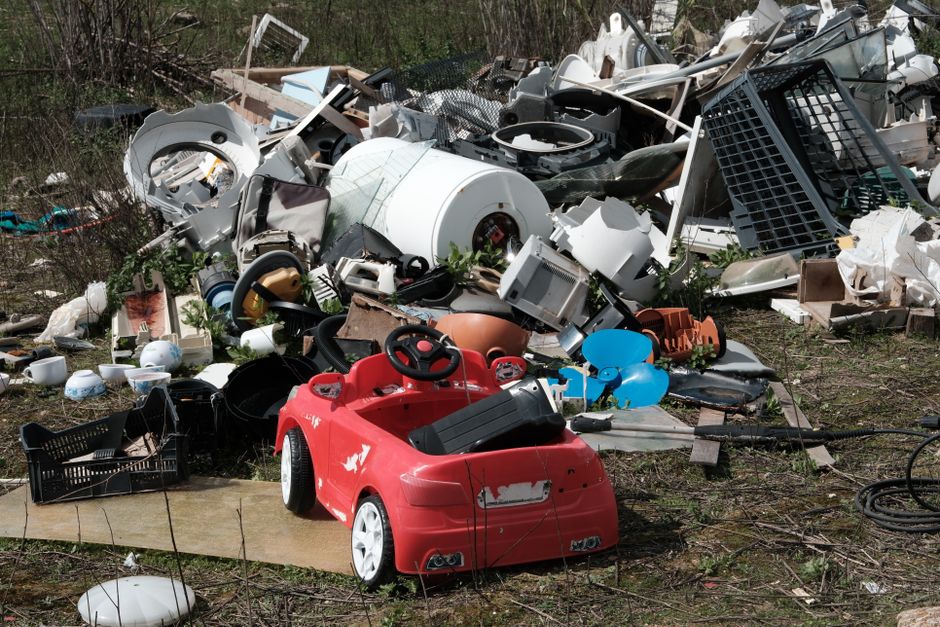
If you are staring at a growing pile of broken furniture, old bags, a dusty loft full of odds and ends, or just the usual "we'll deal with it later" clutter, you are not alone. Goodmayes IG3 household rubbish removal options explained simply means understanding the different ways local residents can clear unwanted household waste without wasting time, money, or energy. Some jobs are tiny. Some are awkward. Some look small until you try to move a sofa down a narrow hallway at 7pm and realise, well, that was optimistic.
This guide walks you through the real-world choices available to households in Goodmayes and the surrounding IG3 area. You will learn how each option works, when it makes sense, what to watch out for, and how to choose the most practical route for your home. No fluff. Just clear, useful advice you can actually use.
Table of Contents
- Why Goodmayes IG3 household rubbish removal options explained matters
- How household rubbish removal works in Goodmayes IG3
- Key benefits and practical advantages
- Who this is for and when it makes sense
- Step-by-step guidance
- Expert tips for better results
- Common mistakes to avoid
- Tools, resources and recommendations
- Law, compliance, standards, or best practice
- Options, methods, or comparison table
- Case study or real-world example
- Practical checklist
- Conclusion
- Frequently Asked Questions
Why Goodmayes IG3 household rubbish removal options explained Matters
Household rubbish builds up in ordinary life. A new mattress arrives, the old one gets pushed into the spare room. The garden gets pruned. A cupboard breaks. Then there is the loft, which, truth be told, seems to breed random boxes when nobody is looking. In a busy place like Goodmayes, choosing the right removal option matters because the wrong choice can cost you more in time, stress, and sometimes extra charges.
It also matters because household waste is not all the same. A few bin bags are one thing. A damaged wardrobe, a cracked mirror, electricals, or mixed waste from a clear-out are another. Different disposal routes suit different jobs. If you know the options in advance, you can avoid that awkward halfway point where the van is full, the rain starts, and you realise you still have half a garage to empty.
For many local households, the main decision is not "Should I remove it?" but "What is the most sensible way to remove it?" That is the real question. And to answer it properly, you need to understand the local service landscape, what level of effort each option requires, and how quickly you need the space back.
How Goodmayes IG3 household rubbish removal options explained Works
At a practical level, household rubbish removal in IG3 usually falls into a few broad routes. Some people use council collections for acceptable items. Others choose a private rubbish removal service for faster, more flexible help. A few households hire a skip, especially if there is a longer project on the go. Some sort and take items to a reuse point or disposal facility themselves. Each method works differently, and each one suits a different kind of mess.
Here is the simple version: you identify what needs going, decide how much lifting and sorting is involved, check whether any items need special handling, then pick the removal route that best matches the job. Sounds straightforward. Often it is. Sometimes not.
Private household rubbish removal services usually collect items from inside or outside the property, which is a big advantage if you have heavy furniture, awkward loft access, or a flight of stairs. Skip hire is better when you are doing the work slowly over several days. Council collections can be useful for bulky items, but they may be less flexible on timing and item types. Self-haul is the cheapest in money terms, but it asks the most of you in effort.
In practice, many Goodmayes residents mix and match. A couple of bags might go out through the normal waste stream. Bulky waste might need a specialist collection. Reusable items may be better passed on rather than thrown away. That balance often leads to the cleanest, simplest outcome.
Key Benefits and Practical Advantages
The right rubbish removal choice does more than clear clutter. It can make your home feel calmer, safer, and easier to manage. Let's face it, nobody relaxes properly in a hallway that has become a storage unit for broken chairs and old paint tins.
- Faster turnaround: A suitable removal method can clear space in hours rather than dragging on for weeks.
- Less physical strain: Heavy lifting, awkward stairs, and tight doorways are common in many London homes.
- Cleaner results: A proper clearance reduces the chance of waste being left behind in corners, sheds, or front gardens.
- Better sorting: Reusable, recyclable, and non-recyclable items can be separated more sensibly.
- Lower stress: Once the plan is decided, the whole job becomes much easier to manage.
There is also a practical safety angle. Household clutter can create trip hazards, block exits, and make cleaning harder than it needs to be. If you have ever tried to vacuum around a pile of flattened boxes and old lampshades, you will know exactly what I mean.
For end-of-tenancy moves, estate clear-outs, renovation clean-ups, and general decluttering, the right option can save an entire weekend. Sometimes two.
Who This Is For and When It Makes Sense
This topic is relevant for anyone in Goodmayes IG3 dealing with unwanted household items, but certain situations come up again and again.
- Home clear-outs: If you are decluttering a bedroom, loft, garage, or spare room.
- Moving house: When you need to reduce what is going with you.
- End of tenancy: When items must be removed quickly and the property needs to be left tidy.
- After deliveries: Old mattresses, packaging, and bulky items often build up after new purchases.
- Family property changes: Downsizing, bereavement clearances, or preparing a property for sale.
- Minor renovation waste: Light builders waste, broken fixtures, and mixed household debris.
It also makes sense for people who simply want a cleaner, more usable home. Not every removal job is dramatic. Sometimes the issue is five bags of clutter, one broken chest of drawers, and a garage door that barely opens. Small jobs matter too.
If you are trying to decide whether to do it yourself or get help, ask a simple question: will this be a quick load or a whole-day headache? That answer usually points you in the right direction.
Step-by-Step Guidance
Here is a practical way to approach household rubbish removal without overthinking it.
- Identify the waste type. Separate general household rubbish, furniture, electricals, garden waste, and anything potentially hazardous.
- Estimate the volume. A few bags, a van load, or a larger clear-out? The size of the job changes the best option.
- Check access. Stairs, basements, narrow paths, and parking can affect how collection happens.
- Sort reusable items. Keep anything that can be donated, resold, or reused. That saves waste and often saves money.
- Choose the removal method. Compare council collection, private removal, skip hire, or self-haul based on effort, speed, and item type.
- Confirm disposal responsibility. Make sure the items will be handled properly and that the service provider has a sensible process for waste transfer.
- Prepare the items. Bag loose rubbish, empty drawers if required, and make the load safe to move.
- Clear the route. Hallways, stairs, and doorways should be free of obstacles so removal is smooth and quick.
A small but useful tip: take a quick phone photo of the waste pile before you book anything. It helps you compare options, explain access issues, and avoid vague estimates. That little photo can save a lot of back-and-forth.
Expert Tips for Better Results
The best results usually come from a bit of prep, not a heroic last-minute effort. A few sensible moves make everything easier.
- Group similar items together. Furniture, bags, cardboard, and electricals should not be mixed if you can avoid it.
- Leave a clear walkway. Even ten minutes of tidying around the load can make collection much smoother.
- Measure the awkward stuff. Sofas, wardrobes, and appliances can surprise you at the doorway stage.
- Think about timing. Weekends, school runs, and busy commuter hours in Goodmayes can affect access and convenience.
- Ask about item restrictions early. Nobody enjoys discovering on arrival that a certain item needs separate handling.
- Use a reuse-first mindset. If an item still works, it may not belong in the rubbish pile at all.
Another thing people often miss: dust, dirt, and small loose debris are part of the job too. Once bulky items are gone, the space can look far worse in the corners than you expected. That is normal. A proper clear-out usually has a second stage, and that second stage is the satisfying bit.
One more practical point. If you are clearing a full room, start by removing the obvious large pieces first. The room opens up fast, and suddenly the whole task feels less impossible. Funny how that works.
Common Mistakes to Avoid
Most rubbish removal problems are preventable. A few common mistakes keep showing up.
- Underestimating the volume: What looks like "just a few bags" often turns into far more once sorting starts.
- Forgetting access issues: Tight stairs, parking limits, and shared entrances can complicate the job.
- Mixing everything together: If recyclable items, general waste, and special items are lumped together, disposal gets harder.
- Leaving it too late: End-of-tenancy or move-out deadlines do not care that you were busy last week.
- Choosing only on price: The cheapest option is not always the best if it creates extra hassle later.
- Ignoring reuse opportunities: Good-condition items often have a second life somewhere else.
A classic mistake is booking a service without thinking through the full pile. Then the team arrives, and suddenly there is the loft, the shed, the under-stairs cupboard, and the awkward bit behind the washing machine. Best to be honest about the real job from the start.
Another common one: keeping items "just in case" for years. Sometimes that is sensible. Often it is just clutter with a better PR team.
Tools, Resources and Recommendations
You do not need a warehouse full of equipment to organise household rubbish removal, but a few simple tools help.
- Heavy-duty bags and boxes: Good for sorting lighter waste and loose household items.
- Gloves: Useful when dealing with dusty loft items, broken packaging, or garden debris.
- Tape measure: Helps with bulky furniture and tight access.
- Marker pen: Handy for labelling bags or separating items for reuse, recycle, or remove.
- Basic trolley or sack truck: Helpful if you are moving heavier items yourself.
- Phone camera: Great for documenting the load and sharing clear details before collection.
For related reading, it can also help to understand broader clearance services such as house clearance, home clearance, and furniture disposal if your job includes larger household items rather than simple bagged waste.
If you are comparing service styles, the articles on skip vs van hire in Ilford and handling bulky waste without breaking the bank offer useful perspective on cost and convenience. They are not magic answers, but they do help you think clearly.
Useful recommendation? Keep a simple note of what is going out, especially if you are clearing the house in stages. It stops the same item being discussed three times and somehow moving from the kitchen to the porch and back again.
Law, Compliance, Standards, or Best Practice
Household rubbish removal is not just a practical task; it also has a compliance side. You do not need to become a legal expert, but a few basic principles matter.
First, waste should be handled responsibly and transferred to an appropriate facility or collection route. In the UK, householders and anyone removing waste for them should be mindful of proper disposal and traceable waste handling. For ordinary residents, that usually means using a legitimate service, following local collection rules, and not leaving waste on the street without checking the correct process.
Second, some items need extra care. Electricals, batteries, fridges, paints, solvents, and other potentially problematic materials should not be treated like ordinary bagged rubbish. If you are unsure, separate them and ask before they are collected. That is the sensible route, every time.
Third, safety matters. If a clearance job involves lifting, sharp edges, dusty loft insulation, damp areas, or cramped stairs, best practice is to work carefully and avoid rushing. A bent finger or a scraped wall is not a badge of honour.
It is also wise to look for clear business policies around insurance and safety, such as insurance and safety and health and safety policy information, especially if you are booking help for larger or more awkward household clearances. Those pages do not remove risk entirely, of course, but they do give you a better idea of how a provider thinks about the job.
For households trying to reduce waste overall, recycling and reuse are still the best habits where practical. The aim is not just to get rid of things. It is to get rid of them properly.
Options, Methods, or Comparison Table
Here is a simple comparison of the main household rubbish removal options people in Goodmayes IG3 usually consider.
| Option | Best for | Pros | Trade-offs |
|---|---|---|---|
| Council collection | Bulky items and standard household waste where accepted | Useful for certain items, familiar process, often straightforward for residents | May have timing limits, item restrictions, or booking rules |
| Private rubbish removal | Fast, flexible collections and mixed household waste | Convenient, can include lifting and loading, often quicker | Can cost more than self-haul, varies by load size and access |
| Skip hire | Ongoing projects and gradual clear-outs | Good if waste will build up over several days | Space needed, permit considerations may apply, you load it yourself |
| Self-haul | Smaller loads and budget-conscious households | Low cash cost, direct control over sorting | Time-consuming, physically demanding, transport required |
| Reuse or donation | Good-condition furniture and usable household items | Reduces waste, helps others, can be satisfying | Not suitable for damaged, unsafe, or heavily worn items |
If you want the shortest possible summary, here it is: choose council collection for eligible items, private collection for convenience, skip hire for ongoing work, self-haul for budget control, and reuse whenever the item still has life left in it. Simple, really. Though life rarely is.
Case Study or Real-World Example
Picture a typical Goodmayes household on a Saturday morning. The spare room has become a storage room. There is an old wardrobe, a couple of cracked chairs, several bagged bits from a clear-out, and a stack of flat-pack packaging from recent deliveries. The family wants the room back before Monday because it is about to become a proper guest room again.
They first sort the items into three groups: keep, donate, remove. That alone cuts the pile down. The usable bedside table and one lamp are set aside. The broken wardrobe and the bags of general clutter are marked for removal. Cardboard is flattened and separated. The access route is checked, because the stairs are narrow and the hallway turns sharply by the front door.
At that point, a private collection route starts to look sensible. Why? Because the waste includes mixed household items, there is limited time, and lifting the wardrobe downstairs would be awkward. The family could self-haul, sure, but that would mean finding a vehicle, loading heavy pieces, and losing half the day. A skip would work too, but it is not ideal for a one-off mixed room clearance where speed and lifting support matter more than long-term loading space.
The real win here is not just the removal. It is the reset. By Monday, the room is open, the skirting boards can finally be cleaned, and the house feels lighter. Not dramatic. Just better. And sometimes that is enough.
Practical Checklist
Use this checklist before you book or begin any household rubbish removal in Goodmayes IG3.
- Have I listed everything that needs to go?
- Have I separated reusable items from waste?
- Do any items need special handling, such as electricals or liquids?
- Do I know how much waste there actually is?
- Is access clear enough for collection or loading?
- Do I need same-day speed, or can I plan ahead?
- Have I checked whether a council route, skip, self-haul, or private collection makes the most sense?
- Have I taken photos of the load for reference?
- Have I removed anything I want to keep before the collection day?
- Am I comfortable with the lifting involved, or should someone else handle it?
When this checklist is done properly, the whole job gets easier. It really does. And the difference shows up quickly once the room is clear and you can breathe again.
Get a free quote today and see how much you can save.
Conclusion
Goodmayes IG3 household rubbish removal options explained comes down to one practical truth: there is no single best method for every home. The right choice depends on the type of waste, how much there is, how quickly you need it gone, and how much effort you want to put in yourself. For some jobs, a council route may be enough. For others, private collection, skip hire, or a self-managed approach makes more sense.
The smartest households do not just ask, "How do I get rid of this?" They ask, "What is the easiest safe way to get it done properly?" That small shift in thinking saves time and usually saves hassle too. And once the clutter is gone, the space feels different. Quieter. Lighter. More yours again.
So if you are clearing one room, a whole flat, or just trying to reclaim the corner of a garage that has slowly turned into a mystery zone, start with the method that fits the job, not the other way around. A little planning goes a long way.
And honestly, that first clear floor space has a nice way of making the rest of the house feel hopeful again.
Frequently Asked Questions
What are the main household rubbish removal options in Goodmayes IG3?
The main options are council collections, private rubbish removal, skip hire, self-haul, and reuse or donation where items are still in good condition. The best choice depends on waste type, volume, and how much work you want to do yourself.
Is private rubbish removal better than a skip for household clear-outs?
It depends on the job. Private removal is usually better for speed, lifting support, and mixed household waste. A skip is often better for longer projects where you want to load waste gradually.
Can I mix furniture, bags, and general household waste together?
Often yes, but it is wiser to separate items where possible. Sorting helps with reuse, recycling, and smoother removal. It can also make pricing and handling clearer.
What household items need special care during removal?
Electricals, batteries, fridges, paints, solvents, and similar items should be handled with extra caution. If you are unsure, keep them separate and ask about the correct process before collection.
How do I know whether I need a full house clearance or just rubbish removal?
If the job is mainly loose waste, bags, and a few items, rubbish removal may be enough. If you are emptying multiple rooms or dealing with most contents of a property, house clearance is usually the more suitable route.
Is it cheaper to take rubbish to a disposal site myself?
Sometimes it is cheaper in cash terms, especially for smaller loads. But once you factor in fuel, vehicle use, lifting, parking, and your own time, it is not always the bargain it first appears to be.
What should I do with reusable furniture?
If furniture is still usable and safe, consider donation, resale, or reuse before disposal. That can reduce waste and may mean the item is useful somewhere else instead of ending up in a clearance load.
How quickly can household rubbish usually be removed?
Timing varies by method. Some options are booked in advance, while private collections can sometimes be arranged quickly if access is straightforward and the load is clearly described.
Do I need to prepare items before collection?
Yes, a little preparation helps a lot. Bag loose waste, separate special items, clear the route, and make sure large items are easy to access. That keeps the job faster and safer.
What should I look for in a rubbish removal provider?
Look for clear pricing, sensible communication, proper insurance and safety information, and a practical approach to waste handling. A good provider should explain the process without making it feel complicated.
Can I remove rubbish after a loft, garage, or garden clear-out in one go?
Yes, as long as the load is described accurately and any special waste is identified in advance. Mixed clear-outs are common, but they work best when the items are sorted into rough categories first.
What is the biggest mistake people make with household rubbish removal?
The biggest mistake is underestimating the size or complexity of the job. What begins as "a quick tidy-up" can become a much bigger clearance once you start moving things. A bit of planning stops that becoming a headache.