High Road Ilford bulky rubbish collection tips for shop owners IG2
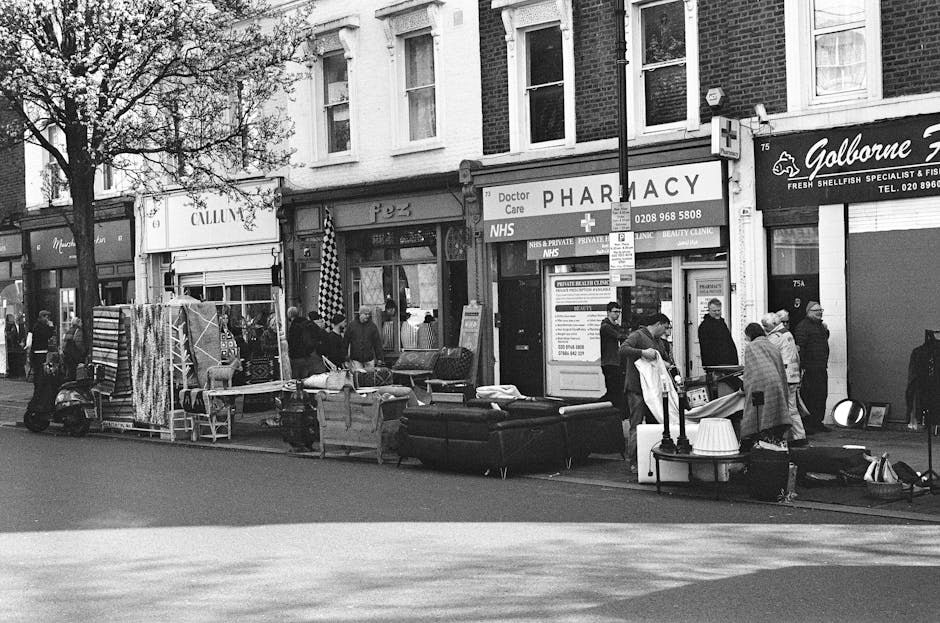
If you run a shop on High Road in Ilford, you already know how quickly bulky rubbish can get in the way. Old display units, broken shelving, cardboard baled in the wrong corner, a worn-out fridge in the back, maybe even a damaged till counter that has been sat there for far too long. It all adds up. These High Road Ilford bulky rubbish collection tips for shop owners IG2 are written to help you keep the shop floor clear, protect staff and customers, and avoid the kind of last-minute scramble that always seems to happen on a busy Friday afternoon.
Truth be told, bulky waste is not just about "getting rid of stuff". For shop owners, it affects presentation, safety, storage space, and how smoothly deliveries and collections run. The good news? With a bit of planning, the process becomes far less stressful. In this guide, you'll find practical steps, local considerations, common mistakes, and a realistic way to decide when a professional service makes sense.
Expert summary: The smartest bulky rubbish collection approach for IG2 shop owners is simple: sort early, separate reusable from waste, keep access clear, and choose a collection method that matches your trading hours and stockroom layout.
Why High Road Ilford bulky rubbish collection tips for shop owners IG2 Matters
High Road is busy. That's the first thing to remember. Customers move past fast, deliveries arrive at odd times, and shopfronts only get a few seconds of attention before someone decides whether to walk in. Bulky rubbish on the pavement, in the doorway, or stacked around the back can make a shop look half-closed, even when you are open and trading.
It also affects day-to-day operations. A blocked stockroom slows everything down. Staff waste time moving items around. Fire exits can become awkward to keep clear if clearance is left too long. And if you're trying to manage seasonal stock changes, promotional displays, or a refit, bulky waste becomes one more thing pressing on the schedule.
For shop owners in IG2, the practical question is usually not "Do we have bulky waste?" It is "How do we remove it without disrupting trade?" That's the real issue. Get that part right and the rest becomes much easier. Get it wrong and you end up with clutter, stress, and possibly avoidable costs.
There is another layer too: bulky waste often includes mixed materials. Wood, metal, plastic, fabric, electrical items, and packaging can all end up together. If you don't separate them sensibly, you lose time and, in many cases, recycling opportunities. Nobody needs that extra headache, honestly.
How High Road Ilford bulky rubbish collection tips for shop owners IG2 Works
The basic process is straightforward, but the details matter. Bulky rubbish collection usually starts with identifying the items, estimating volume, and deciding whether the waste is a one-off clear-out or an ongoing issue. That sounds obvious, yet many shop owners skip this part and end up over-ordering clearance or leaving the job unfinished.
For a shop on High Road, collection planning often needs to fit around customer traffic, delivery windows, and limited access. A service might involve a single pickup for old fixtures or a larger clearance after a refit, stock change, or closure. If the clearance is tied to other business waste, you may also want to look at business waste removal so the whole process is handled in a more organised way.
In practice, the collection day normally works best when the bulky items are already grouped together and easy to reach. If collection crews have to weave through boxes, hanging rails, promotional stands, and daily stock, the job takes longer. And yes, that can affect pricing and timing. Not always dramatically, but enough to matter.
Shop owners should also think about the destination of the items. Some things can be reused, some can be recycled, and some simply need disposal. A good clearance plan is not just about speed; it is about making sensible decisions on each item. That's where a bit of prep saves a lot of hassle.
Key Benefits and Practical Advantages
There are clear reasons to stay on top of bulky rubbish rather than treating it as a problem for later. The benefits are practical, immediate, and very visible to customers.
- Better customer impression: A tidy shopfront feels open, organised, and trustworthy.
- More working space: Stockrooms and back areas work properly when they are not packed with old fittings.
- Safer staff movement: Clear walkways reduce trip hazards and awkward lifting.
- Smoother trading: Deliveries, stock rotation, and merchandising become easier.
- Less stress: The "we'll deal with it later" pile stops growing into something unmanageable.
- Potential recycling gain: Separating items early can improve what can be reused or recycled.
One benefit people underestimate is speed. If your shop is in a busy stretch of High Road, you may only have narrow windows to work in. A planned bulky waste collection keeps the disruption shorter, which is particularly helpful if you trade seven days a week or rely on footfall during peak hours.
Another benefit is consistency. Once you establish a routine, you do not have to rethink everything each time a display changes or a fridge dies at the back of the store. Small systems prevent big messes. A bit dull maybe, but effective.
Who This Is For and When It Makes Sense
This guidance is for independent shop owners, franchise managers, landlords dealing with shop units, and staff members who end up responsible for waste because, somehow, nobody else has time. If you manage a convenience store, salon, boutique, barbershop, takeaway, small supermarket, hardware shop, or charity retail unit in IG2, the same principles apply.
It makes sense to arrange bulky rubbish collection when:
- you're replacing shelving, counters, or display furniture
- stockroom items have built up over months
- you are closing, relocating, or refurbishing
- old electrical equipment needs to go
- damaged furniture or fixtures are taking up space
- you have recurring waste that local bins cannot handle
If the items are mainly office-style furniture from a back office, you may also find office clearance useful. If the job is more about worn-out chairs, counters, or waiting-area items, then furniture disposal may be the closer fit.
Not every shop needs frequent bulky rubbish collection. Some only need it once or twice a year. Others, especially larger units with changing stock displays, need a more regular approach. The trick is to match the service to the actual pattern of waste, not to guess. Guessing is expensive. Usually.
Step-by-Step Guidance
Here is a practical way to handle bulky rubbish without making it harder than it needs to be.
- Walk the shop and stockroom carefully. Make a note of everything that needs removing. Don't rely on memory. In the back of a shop, things hide in plain sight.
- Separate items by type. Put furniture, metal fixtures, cardboard, electricals, and mixed waste into rough groups. Even a basic separation helps.
- Identify anything reusable. Some shelving, counters, or fixtures may be suitable for resale, reuse, or donation. If not, mark them clearly for disposal.
- Measure access points. Doors, corridors, stairwells, fire exits, and loading areas all matter. A clearance team needs to know what can fit and where.
- Clear a staging area. Move items into one reachable spot if possible. Keep it away from customer-facing areas.
- Schedule around trade. Choose a collection time that least affects footfall, deliveries, and staff breaks.
- Confirm handling of special items. Electrical equipment, sharp metal edges, and awkwardly shaped fixtures may need extra care.
- Review the end result. Once cleared, check that walkways, exits, and storage areas are usable again. A quick final sweep is worth it.
A small but useful tip: photograph the items before collection. Not for drama. Just for clarity. It helps you remember what went, what stayed, and what might need replacing later.
Expert Tips for Better Results
If you want bulky rubbish collection to feel manageable rather than chaotic, these are the habits that make the difference.
1. Keep the back-of-house area "clear by default"
Many shops let bulky items accumulate near the stockroom door because it feels temporary. Then weeks pass. Then months. A clearer default layout means fewer problems when a pickup is due. In our experience, that one habit saves more time than any grand system ever does.
2. Use a simple item register
You do not need a complex spreadsheet. A short list is enough: item, condition, size, and whether it should be reused, recycled, or removed. This helps if multiple staff members are involved and stops items being forgotten.
3. Separate customer areas from clearance areas
Never let bulky waste drift into the customer zone unless it is absolutely unavoidable. It affects the look of the shop and can make people hesitate. A half-obstructed entrance feels awkward, even if you are technically open.
4. Think about timing, not just removal
A lot of the pain comes from timing badly. Early morning, after closing, or on quieter trading periods is often better than trying to squeeze a collection into the middle of a busy day. The noise alone can be disruptive.
5. Ask for clear pricing structure
Whether you are comparing services or just trying to understand the job, ask how pricing is worked out. Is it volume-based, item-based, or dependent on access? That question alone can prevent misunderstandings later. If you want a better idea of the process, pricing and quotes is the right place to start.
6. Choose sustainability where possible
Reusable fixtures do not need to go to waste. If some items can be recovered responsibly, that is usually better for your budget and your business image. Many shop owners like being able to say they handled the job thoughtfully. Fair enough too.
Common Mistakes to Avoid
Most bulky waste headaches come from a handful of avoidable mistakes. Here are the ones that show up again and again.
- Leaving the clearance too late: This is the classic one. It turns a manageable job into an urgent one.
- Mixing everything together: Recyclables, fixtures, and general waste all thrown into one pile make sorting harder.
- Blocking access routes: Fire exits, doorways, and delivery routes should not become storage lanes.
- Not checking item condition first: Some things may be reusable if handled early, but not once they are damaged further.
- Assuming every service handles the same material: Always confirm what is accepted, especially for electrical or awkward items.
- Forgetting staff responsibilities: If everyone thinks someone else will manage it, nothing gets done.
One subtle mistake is underestimating the volume. A pile that looks "small enough" in the morning can somehow look twice the size by the afternoon. Strange, but true.
Tools, Resources and Recommendations
You do not need a warehouse full of equipment to manage bulky rubbish well. A few practical tools go a long way.
- Heavy-duty sacks or bags: Useful for mixed smaller items, but do not overload them.
- Trolleys or sack trucks: Helpful for moving items safely through tight spaces.
- Label stickers or tape: A simple way to mark items for reuse, scrap, or removal.
- Measuring tape: Worth having on hand for doors, counters, and awkward fittings.
- Gloves and protective gear: Especially important for broken furniture, sharp edges, or dusty stockroom clear-outs.
- Basic checklist: Keeps the process from becoming guesswork.
If the bulky waste is mixed with broken fixtures, damaged timber, or refit debris, you may want to compare it with builders waste clearance as well. That can be especially useful after shop renovations or display rebuilds.
For ongoing waste management rather than a one-off clear-out, waste removal may be a more flexible option. And if you are trying to reduce future clutter at the source, the company's recycling and sustainability approach is worth considering during your planning.
Law, Compliance, Standards, or Best Practice
For shop owners, compliance is really about handling waste responsibly and keeping your business environment safe. You do not need to memorise legal jargon to do this well, but you do need to use sensible standards and careful checks.
In UK practice, businesses are generally expected to manage waste properly, keep recyclable and non-recyclable materials reasonably separated where practical, and avoid leaving waste in ways that create hazards. If an item is electrical, sharp, heavy, or contaminated, it needs extra care. That part should never be left to chance.
There are also practical obligations around access and safety. Fire exits, front entrances, and staff walkways should stay clear. If a bulky collection is being arranged on or around shop premises, make sure staff know the plan and can move safely during the process.
A good provider should also have clear handling standards. If you want to understand how a business approaches these issues, it is sensible to review pages such as health and safety policy and insurance and safety. That gives you a feel for how seriously risk and responsibility are treated.
Best practice, in plain English, means this: do not dump waste in a way that blocks the public, do not leave sharp or unstable items exposed, and do not assume "someone will sort it later". Later is usually where problems begin.
Options, Methods, or Comparison Table
Shop owners in IG2 usually have a few ways to handle bulky rubbish. The right choice depends on volume, urgency, item type, and how much staff time you want to spend on the process.
| Method | Best for | Pros | Watch-outs |
|---|---|---|---|
| Self-managed clear-out | Very small amounts, low-risk items | Simple, immediate, flexible | Time-consuming, lifting risk, disposal access issues |
| One-off bulky collection | Single clear-outs, old fixtures, seasonal changes | Efficient, convenient, less disruption | Needs planning and access preparation |
| Mixed waste removal | Items plus general shop waste | Good for larger jobs, less sorting pressure | Can be less efficient if items are not grouped first |
| Specialist clearance after refit | Renovations, fit-outs, damaged fixtures | Handles awkward items and larger volumes | Needs careful timing and a clear scope |
If you are comparing options, do not just look at the headline cost. Consider staff time, disruption, and whether the job will be finished in one go. A slightly better-organised collection often works out cheaper in practice, even if it doesn't look that way upfront.
For businesses with regular collection needs, checking business waste removal alongside one-off clearance can help you decide whether you need a recurring arrangement or just an occasional pickup.
Case Study or Real-World Example
Picture a small retail shop on High Road that has just changed its seasonal layout. Two old display units, a broken under-counter fridge, several metal shelving sections, and a stack of damaged stockroom furniture are now sitting in the back room. At first glance, it looks manageable. Then you realise the items are awkwardly shaped, the aisle is narrow, and deliveries are due the next morning.
What works best in that situation is not rushing. The owner and staff set aside one corner of the stockroom, grouped items by type, moved lighter packaging away first, and checked which pieces could be dismantled safely. They also kept customer-facing areas clean while the bulky items were being staged. The clearance itself became much easier because the prep work had already been done.
That kind of approach saves embarrassment too. Nobody wants shoppers walking past an open door and seeing a tangle of broken shelves, dusty panels, and a wobbling chair balanced on top. It just looks messy. Worse, it can feel chaotic.
By contrast, a neat, prepared collection makes the shop feel in control. Staff get their space back. The back room stops smelling like old timber and cardboard. And the whole place feels lighter, almost immediately.
Practical Checklist
Use this checklist before your next bulky rubbish collection. It keeps the job tidy and predictable.
- Walk through the shop, stockroom, and rear access area
- List every bulky item to be removed
- Separate reusable, recyclable, and general waste items
- Check whether any item is electrical or needs extra care
- Measure doorways and access points if needed
- Clear a single staging area for collection
- Keep fire exits and customer routes unobstructed
- Choose a time that causes the least disruption to trade
- Confirm what the service will and will not take
- Review pricing, timing, and any special handling needs
- Take quick photos for your records
- Do a final sweep after collection is complete
Small tip: if your clearance is linked to a refit, closure, or larger business tidy-up, start the planning a few days earlier than you think you need. Those few days matter more than they should.
Conclusion
Bulky rubbish collection does not have to be a messy afterthought. For shop owners on High Road Ilford in IG2, the best results usually come from simple habits: sort early, keep access clear, plan around trade, and choose the right method for the job. That is the core of it.
If you treat bulky waste as part of shop management rather than a nuisance to be hidden away, your space stays safer, your store looks better, and your staff can work without constantly moving things around. That may sound basic, but basic done well is powerful. And in a busy retail stretch, it really counts.
When you are ready to take the pressure off and get the job moving, speak to a team that understands business clearances, access issues, and the practical realities of working around customers and stock. It makes the whole process a lot easier, and a lot calmer too.
Get a free quote today and see how much you can save.
Frequently Asked Questions
What counts as bulky rubbish for a shop in IG2?
Bulky rubbish usually means items too large for standard bins or regular bagged waste, such as shelving, counters, display units, chairs, cabinets, and some electrical equipment. If you have to drag it, dismantle it, or twist around it in the stockroom, it probably counts.
Can I leave bulky rubbish outside the shop for collection?
Only if it is arranged properly and does not create a hazard or obstruct the pavement. For High Road locations, access and public space are especially important, so it is usually better to stage items carefully and avoid leaving them out for too long.
How do I know whether I need a one-off clearance or regular waste removal?
If your bulky waste appears after refits, seasonal changes, or occasional replacements, a one-off service may be enough. If clutter builds up regularly in the stockroom or back office, a more ongoing arrangement may be better.
What should I do with old shop furniture?
Check whether it can be reused, sold, or recycled before disposal. If it is no longer fit for use, a furniture-focused clearance or general business waste service may be the most practical route.
Do I need to separate bulky items before collection?
It is strongly recommended. Separating items by type makes collection quicker and often makes recycling or reuse easier. Even a rough separation helps a lot.
How can I reduce disruption to customers?
Schedule the collection during quieter trading times, keep customer areas tidy, and move bulky items to a single access point before the crew arrives. A little prep goes a long way.
What if my bulky waste includes electrical items?
Electrical items should be identified early because they may need different handling from general furniture or shop fixtures. Do not mix them into a loose pile and hope for the best.
Is it better to dismantle furniture before collection?
Sometimes yes, sometimes no. If dismantling makes the load easier and safer to move, it can help. But do not take apart items that are unstable or that need specialist handling.
How can I tell if a clearance provider is suitable for a shop environment?
Look for clear communication, sensible access planning, and proper safety awareness. It also helps if the provider explains handling standards and gives you a clear idea of what the collection will involve.
What documents or checks should I keep for business waste?
Keep your own notes on what was removed, when it was collected, and which items were included. Good records are useful if you manage multiple sites, share responsibility with staff, or need to track recurring waste.
Can bulky rubbish collection help after a refit or closure?
Yes. In fact, those are two of the most common times to arrange it. Refits and closures tend to create a mixed pile of fixtures, fittings, and leftover materials that needs proper clearing.
Where should I start if I want help with the process?
Start by listing the items you want removed and checking access to the shop, stockroom, and rear area. If you are comparing services, reviewing pricing and quotes and contact us can help you move from planning to action without delay.