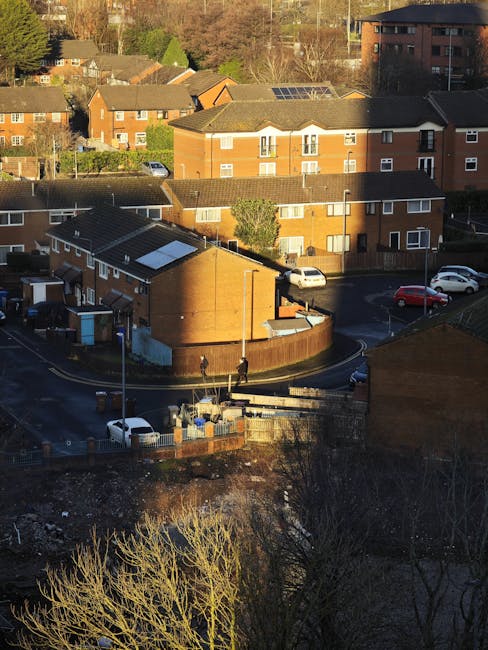
Seven Kings estate rubbish removal: local tips for residents
If you live on or near an estate in Seven Kings, rubbish removal can get awkward fast. A few bags turn into bulky items, stairwells get tight, parking becomes a headache, and suddenly the question is not just how to clear waste, but how to do it without upsetting neighbours or creating avoidable mess. This guide on Seven Kings estate rubbish removal: local tips for residents is designed to help you make the job simpler, safer, and more efficient.
Whether you are clearing a flat, tidying a shared storage area, disposing of old furniture, or dealing with builders' debris after a small renovation, the best results usually come from planning the clearance properly. You will also find useful next-step links to related services such as waste removal, flat clearance, and furniture disposal, plus trust pages like recycling and sustainability and health and safety.
For many residents, the main challenge is not the waste itself. It is the logistics: access, timing, permissions, and making sure everything goes to the right place. That is where local know-how pays off.
Table of Contents
- Why Seven Kings estate rubbish removal matters
- How rubbish removal on a Seven Kings estate works
- Key benefits and practical advantages
- Who this is for and when it makes sense
- Step-by-step guidance
- Expert tips for better results
- Common mistakes to avoid
- Tools, resources and recommendations
- Law, compliance, standards, or best practice
- Options, methods, and comparison table
- Case study or real-world example
- Practical checklist
- Conclusion
- Frequently asked questions
Why Seven Kings estate rubbish removal matters
Estate rubbish removal is different from general household tidy-ups. On an estate, you are usually dealing with shared spaces, tighter access, more neighbours, and a higher chance that waste left in the wrong place becomes everyone's problem. One untidy pile can block bin stores, attract pests, or create complaints before you have even finished sorting it.
Seven Kings has the usual mix of estate layouts you see across outer east London: flats, communal entrances, limited turning space, and the occasional awkward parking restriction. That means a "quick clear-out" can become a stressful afternoon if you do not think ahead. A little preparation helps avoid repeat trips, damage to communal areas, and misunderstandings with neighbours or managing agents.
There is also the simple fact that rubbish removal is not always just about "rubbish". You may need to separate reusable furniture, electrical items, garden cuttings, old carpets, renovation offcuts, or mixed household items. When those categories are lumped together, disposal becomes slower and often more expensive. A planned approach is usually calmer, cleaner, and more cost-effective.
Practical takeaway: on an estate, the goal is not only to remove waste. It is to remove it with minimal disruption, clear access, and no lingering mess in shared areas.
For residents comparing service types, it can help to think beyond a generic clearance. A more targeted option, such as home clearance, house clearance, or garage clearance, may fit better depending on what you are actually getting rid of.
How Seven Kings estate rubbish removal works
Most estate clearances follow a simple pattern, even if the details change from one building to another. First, the waste is assessed. Then it is sorted. Then it is removed, loaded safely, and taken to the appropriate disposal or recycling route. The value of a professional approach is that it handles the fiddly bits that residents do not always want to wrestle with, such as lifting, transport, and sorting reusable from non-reusable items.
In practice, the process often starts with photos or a short description. That allows the clearance provider to understand volume, access, and likely item types. If the job involves larger pieces, you may be asked about stair access, lift availability, parking, and whether any items are heavy, fragile, or awkward to carry. On an estate, those details matter more than people expect.
Once the job is agreed, waste is usually moved from the property, storage area, or agreed collection point. If there is shared access, it is especially important to keep the route clear and protect walls, floors, and doors. A professional team should work in a way that respects both the property and the people living around it. That is where pages like insurance and safety become reassuring, because they signal that the operator takes the practical risks seriously.
Different types of waste are then handled differently. For example, some items are suitable for recycling, some for disposal, and some for specialist treatment. If the service is run properly, the aim is always to keep reusable and recyclable material out of general waste where possible. That is why a provider's recycling and sustainability approach is worth checking before you book.
If you are clearing a top-floor flat or a property with limited access, a service like flat clearance is often the most natural fit. For larger mixed-load jobs, a general waste removal service may be more flexible.
Key benefits and practical advantages
A good rubbish removal service does more than empty a room. For Seven Kings estate residents, the main advantages are often practical rather than glamorous. Still, those practical gains are exactly what make life easier.
- Less disruption in communal areas: a managed clearance reduces the chance of bags sitting in corridors or by bin stores.
- Safer lifting and carrying: bulky furniture and mixed waste are much easier to move with proper equipment and experience.
- Faster turnaround: what might take a resident several trips can often be completed in one organised visit.
- Better sorting: reusable, recyclable, and general waste can be separated more sensibly.
- Cleaner finish: a decent clearance should leave the area tidy rather than half-finished.
- Less personal stress: no van hire, no lifting strain, no wondering where to take awkward items.
There is also a subtle benefit that people often underestimate: avoiding disputes. On an estate, nothing gets noticed quite like a mattress leaning near a bin store for two days. A proper collection can prevent that entire situation.
For residents with larger furniture to move, the difference between a general dump-it-yourself approach and a dedicated service such as furniture clearance or furniture disposal can be significant. The right approach usually saves time and reduces the chance of damage during moving.
Who this is for and when it makes sense
Seven Kings estate rubbish removal is useful for a wide range of residents. It is not only for major clear-outs. In fact, many of the most useful jobs are small and practical.
You may benefit if you are:
- moving out of a flat and need to leave it clear
- sorting inherited items from a relative's home
- clearing a loft, cupboard, shed, or storage cage
- getting rid of damaged furniture or white goods
- tidying after decorating, minor repairs, or DIY work
- preparing a rental property for the next tenant
- managing clutter that has built up over time
It also makes sense when access is awkward. A resident with a walk-up flat, no private driveway, or limited time may find a professional collection far more sensible than trying to do everything personally. Truth be told, the moment you start asking friends for "one quick favour" with a sofa, the job has already become more complicated than it should have been.
For landlords, agents, and residents clearing a whole property, a service such as home clearance or house clearance is often the better fit than trying to treat it as a standard bin-day problem.
Step-by-step guidance
If you want a smoother clearance, the smartest move is to break the task into stages. Here is a straightforward approach that works well on estates.
- Identify what needs to go. Walk through the property and separate general rubbish, furniture, electrical items, and anything reusable.
- Check access. Look at stairways, lifts, entry codes, parking restrictions, and where a vehicle can safely stop.
- Measure the bulky bits. If a wardrobe, sofa, or bed frame is involved, rough measurements help avoid surprises.
- Set aside anything you are keeping. Label boxes or move important items away from the clearance area first.
- Decide whether anything needs special handling. Paint tins, electrical items, sharp offcuts, or heavy materials may need separate treatment.
- Request a quote. Clear photos and honest descriptions usually lead to better pricing and fewer misunderstandings.
- Confirm the collection details. Agree on timing, access, parking, and what the team will take.
- Prepare the route. Keep hallways clear and protect floors where possible, especially in shared areas.
- After collection, check the finish. Make sure no small items, fixings, or bagged waste have been left behind.
If you are handling a more mixed load, the right service can save a lot of back-and-forth. For example, a resident clearing renovation waste may need builders waste clearance, while someone emptying a shed may be better served by garage clearance.
Expert tips for better results
Good clearance is often decided before the vehicle arrives. A few small choices can make the whole job easier, cheaper, and less stressful.
1. Sort before you book if you can
A rough sort by item type helps the provider estimate the job properly. It does not need to be perfect. Even separating furniture, bags, electricals, and mixed junk can improve the accuracy of a quote.
2. Make access the priority, not the afterthought
Estate jobs often get delayed by simple access issues. If a van cannot park close enough, or if there is no clear entry point, the job may take longer than expected. Mention low ceilings, narrow stairs, controlled access, or timed entry in advance.
3. Keep a "do not remove" zone
If multiple people live in the property, create one clearly marked area for items that must stay. That tiny step prevents unnecessary mistakes and avoids the classic "I thought that was going too" moment.
4. Photograph the load from more than one angle
Good photos make quoting simpler and more transparent. Try to include the volume of waste, any unusually large items, and the route out of the property if access is tricky.
5. Ask how waste will be handled
Not every provider handles items in the same way. If sustainability matters to you, ask about sorting and recycling. A provider with a clear environmental approach, such as the one described on recycling and sustainability, is generally a safer bet than someone who gives vague answers.
6. Match the service to the job
A few bags of clutter are not the same as a full flat clearance. If you choose the wrong service type, you may end up paying for more than you need or booking a team that is not optimised for your job.
Common mistakes to avoid
Most clearance problems are preventable. The usual mistakes are rarely dramatic; they are just annoying, expensive, or both.
- Leaving waste in a communal area: this can cause complaints and may create safety issues.
- Underestimating the volume: what looks like "a few bags" is often much more once you start loading.
- Forgetting parking or access limits: estate layouts can change the timing and cost of a job.
- Mixing everything together: separating reusable, recyclable, and general waste makes the process smoother.
- Not checking what is excluded: some items may need special handling or prior agreement.
- Choosing purely on price: the cheapest quote is not always the best if it comes with poor communication or weak safety practice.
- Waiting until the last minute: a rushed collection often creates avoidable stress for everyone involved.
A particularly common issue on estates is assuming the team will be able to collect from anywhere without being told about gates, codes, or parking restrictions. That can waste time before the job even begins. A clear brief avoids a lot of backtracking.
Tools, resources and recommendations
You do not need specialist equipment for a normal clear-out, but a few simple tools can make a residential estate job much easier.
- Heavy-duty bags: useful for loose mixed waste and smaller items.
- Labels or masking tape: ideal for marking keep, remove, donate, or recycle piles.
- Gloves: useful if you are moving sharp or dusty items before collection.
- Photos on your phone: the easiest way to show volume and access conditions.
- Basic tape measure: helpful for bulky furniture, beds, or appliances.
- Flat trolleys or dollies: useful if you are shifting items within a building before pickup.
For residents comparing services, it may also help to review practical pages rather than just the headline service page. For example, pricing and quotes can help set expectations, while contact us is the logical step if you want to ask about access, timings, or a particular type of waste.
If your clear-out is tied to a larger property change, you may also want to browse loft clearance for storage spaces or office clearance if the waste comes from a home workspace or small business setup.
Law, compliance, standards, or best practice
When rubbish is removed from a home, the basic principle is simple: it should be handled responsibly, with care for health, safety, and lawful disposal routes. Residents do not usually need to become experts in waste law, but it does help to know a few sensible points.
First, do not assume every item can be left out with the bins or shifted without checking. Certain materials may need special handling, and some items should never be dumped in communal areas or on the street. Second, if you hire someone to remove waste, it is reasonable to expect them to be insured, organised, and able to explain where the waste goes.
Best practice also means keeping shared areas safe. That includes avoiding blockages, preventing trip hazards, and not damaging walls, doors, lifts, or flooring during the move-out process. On estates, these details matter because one careless job affects neighbours as well as the person paying for the service.
It is also sensible to ask whether the provider has relevant policies in place. Pages such as health and safety policy, insurance and safety, and terms and conditions help show how the business approaches risk, responsibility, and service expectations.
If you are unsure about a particular item, ask before booking. That simple step avoids surprises and is usually the safest route.
Options, methods, and comparison table
Different waste problems need different solutions. Here is a clear comparison to help you decide what fits your situation best.
| Option | Best for | Pros | Watch-outs |
|---|---|---|---|
| Self-removal | A few items or small bagged waste | Can be cheaper if you already have transport | Time, lifting, parking, and multiple trips can become a problem |
| Man-and-van style collection | Mixed household rubbish and bulky items | Flexible, fast, and usually easier for flats | Requires clear item descriptions and access details |
| Flat clearance | Full or partial apartment clear-outs | Efficient for larger jobs with furniture and bags | Needs better planning, especially on upper floors |
| Builders waste clearance | DIY, repairs, or renovation debris | Suitable for heavier, messier materials | May need special handling if mixed with other waste types |
| Furniture clearance or disposal | Sofas, wardrobes, tables, beds, and similar items | Good for bulky loads and fast room resets | Measure larger items and confirm access before booking |
For most Seven Kings estate residents, the most practical option is the one that balances access, urgency, and item type. If you are not sure, start with the broadest description of the waste and then narrow it down with photos.
Case study or real-world example
A typical estate clearance in Seven Kings might look like this: a resident is moving out of a two-bedroom flat and needs to remove a broken sofa, an old bed frame, several bags of general household waste, and a few boxes of mixed clutter from a storage cupboard. The building has a shared entrance, narrow stairwell access, and limited parking outside.
Rather than trying to do it in stages over a weekend, the resident sends photos and a basic description in advance. The team knows there is no lift, so they plan for manual carrying. The resident also clears the hallway before collection day, keeps personal items in a separate room, and confirms a parking spot nearby. The whole job is completed in one visit, with reusable items sorted where possible and the area left tidy.
The result is simple but valuable: no repeated trips, no overflowing communal space, and no last-minute panic on move-out day. That is the kind of outcome people usually want, even if they do not say it quite that plainly.
In a different scenario, a landlord preparing a rented flat for new tenants may choose a broader home clearance or furniture clearance service because the property contains a mix of left-behind items and old furniture. The principle is the same: match the service to the actual job, not just the headline category.
Practical checklist
Use this checklist before booking any estate rubbish removal in Seven Kings.
- List every item that needs removing
- Separate keep, donate, recycle, and dispose piles
- Take clear photos of bulky items and access points
- Check stairs, lifts, codes, and parking restrictions
- Measure anything oversized or awkward
- Confirm whether the job is a flat clearance, furniture disposal, or general waste removal
- Ask what happens to recyclable and reusable items
- Review safety, insurance, and quote information
- Clear hallways and protect shared surfaces where possible
- Double-check what should not be removed
Extra tip: if the waste came from decorating, repair work, or small site cleanup, ask about builders waste clearance before assuming a standard household collection will cover everything.
Conclusion
Seven Kings estate rubbish removal becomes much easier when you think like a resident, not just a disposer of waste. Shared access, neighbour awareness, parking, sorting, and safe handling all matter. The more you plan up front, the less time you spend dealing with avoidable problems on the day.
For most people, the best approach is straightforward: identify the waste clearly, choose the right service type, share accurate access details, and work with a provider that treats safety and recycling seriously. That combination usually leads to a cleaner finish and a far less stressful experience.
If your clear-out is coming up soon, use the checklist above, compare the most relevant service pages, and take the shortest route to a clear, tidy result. Small preparation now can save a lot of time later.
Get a free quote today and see how much you can save.
If you are ready to take the next step, you can also explore pricing and quotes or contact us to discuss your clearance in more detail.
Frequently Asked Questions
What is the best way to organise rubbish removal on a Seven Kings estate?
The best approach is to sort items first, check access and parking, then choose a service that matches the amount and type of waste. Photos help a lot.
Can I leave rubbish in a communal area before collection?
Usually, no. Shared spaces can become blocked or unsafe, and it may cause complaints. It is better to keep waste inside your property until the agreed collection time.
How do I know whether I need flat clearance or general waste removal?
If you are clearing a whole apartment or many rooms, flat clearance is often more suitable. If you only have mixed bags or a smaller load, waste removal may be enough.
What if I have bulky furniture to dispose of?
Bulky items are often best handled through furniture clearance or furniture disposal. Measure the pieces and mention any tight stairways or limited access when booking.
Do I need to separate recyclable items before the collection?
It helps, but it does not have to be perfect. Even a basic sort into furniture, electricals, and mixed waste makes the job easier and may improve recycling outcomes.
Is estate rubbish removal suitable for small jobs?
Yes. It is not only for large clear-outs. Small jobs like a few bags, an old bed, or cupboard clutter are very common and often the most convenient to outsource.
What should I tell the clearance team before they arrive?
Tell them what is being removed, whether there are stairs or lifts, where they can park, and if any items are unusually heavy or fragile. Clear access details prevent delays.
Can builders' debris be included with household waste?
Sometimes it can, but not always. It is better to ask first, because builders waste clearance may be the more appropriate option if you have renovation materials or heavier debris.
How can I make the job quicker on the day?
Move items to one easy-to-reach area, keep hallways clear, label what is staying, and ensure the team can access the property without waiting around for codes or keys.
Why does insurance and safety matter for rubbish removal?
Because estate work involves shared spaces, lifting, carrying, and the possibility of accidental damage. A provider that takes insurance and safety seriously offers better peace of mind.
What happens to the waste after collection?
That depends on the type of item and the provider's process. Good operators sort materials where possible and use responsible disposal or recycling routes rather than treating everything the same.
How do I get a quote without overcomplicating things?
Send clear photos, explain the access conditions, and mention any bulky or unusual items. If you are unsure, start broad and ask the team what additional details they need.
Are there any other service pages worth checking before I book?
Yes. Depending on your needs, useful pages include home clearance, garage clearance, loft clearance, and recycling and sustainability.