Valentines Park event waste collection in Ilford: a practical guide for cleaner, calmer event days
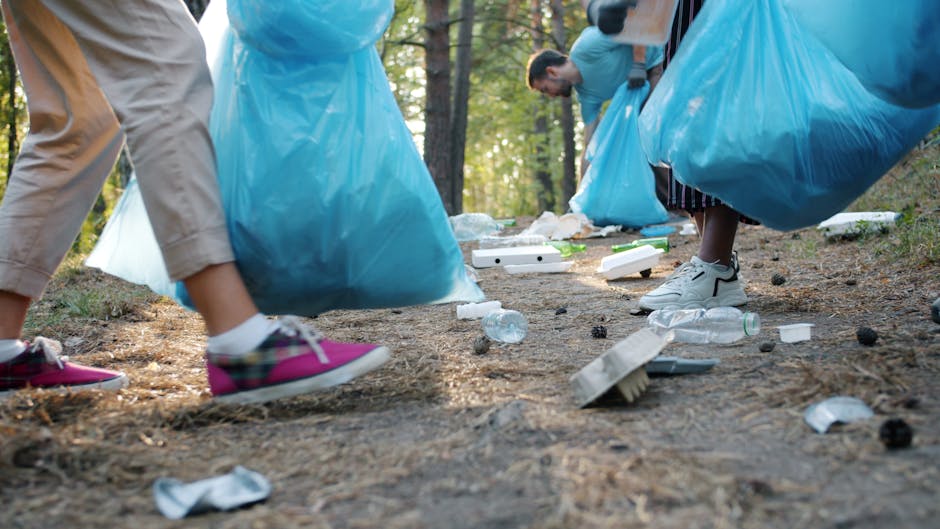
Planning a community day, charity fair, sports meet, picnic, fun run, or seasonal celebration at Valentines Park? Then waste is not a side issue. It is part of the event. The bins fill faster than people expect, cardboard starts piling up by catering points, and by the end of the day you can have paper cups, food waste, broken packaging, cable ties, and the odd rogue balloon all over the place. Valentines Park event waste collection in Ilford is about handling that aftermath properly, so the park feels clean again and the event runs smoothly from start to finish.
For organisers, the real question is not just "how do we get rid of rubbish?" It is "how do we keep the site tidy, stay safe, respect the park, and avoid a messy handover?" That takes a plan. In this guide, we'll look at how event waste collection works, what it normally involves, who needs it, and how to choose the right approach without overcomplicating things. A bit of structure goes a long way. Honestly, it saves headaches.
- Why Valentines Park event waste collection in Ilford matters
- How event waste collection works in practice
- Key benefits and practical advantages
- Who needs this service and when it makes sense
- Step-by-step guidance
- Expert tips for better results
- Common mistakes to avoid
- Tools, resources and recommendations
- Law, compliance, standards, and best practice
- Options, methods, and comparison table
- Case study or real-world example
- Practical checklist
- Conclusion
- Frequently asked questions
Why Valentines Park event waste collection in Ilford Matters
Valentines Park is the kind of place where people come to relax, meet, and enjoy open space. That also means waste can spread quickly if it is not managed well. One overflowing bin near a food stall can create a chain reaction: people leave cups on walls, volunteers start making improvised pile-ups, and litter catches the wind. Before long, the clean-up becomes bigger than the event itself.
Good event waste collection matters for three simple reasons. First, it protects the look and feel of the park. Second, it reduces trip hazards, odours, and pest issues. Third, it makes the organiser look organised, which is never a bad thing when you are dealing with the public, suppliers, or a permit holder. To be fair, visitors notice tidy spaces more than they notice the waste plan behind them.
There is also a local dimension. Outdoor events in Ilford often sit within a busy schedule, and park users tend to remember whether a site was left clean. That means the clean-up is not just about the final sweep. It is part of the event experience. If you want a broader look at local service options, the main waste removal service page is a useful starting point, especially for mixed rubbish that does not fit neatly into one category.
Key takeaway: the best event waste plan is the one nobody notices because everything stays tidy, safe, and under control from the first bin bag to the last collection.
How Valentines Park event waste collection in Ilford Works
In practical terms, event waste collection starts before the first guest arrives. A good provider or site team will look at the layout, estimate likely waste types, and decide where waste stations should go. That usually includes food waste points, general rubbish bins, and sometimes recycling bags or cages if the event setup supports separation.
The process usually looks something like this:
- Pre-event review: the organiser identifies likely waste streams, footfall, and pinch points such as catering areas, entrances, and seating zones.
- Container planning: bags, bins, cages, or skips are set up according to event size and waste volume.
- During-event monitoring: waste is checked and removed before bins overflow. This is especially important during busy lunchtime periods or after performances.
- Final sweep: once the event ends, a full site clear-up collects loose litter, leftover packaging, and bulky items.
- Transport and sorting: waste is taken to the appropriate facility, with recyclable materials separated where possible.
The details can change depending on the event. A small family fun day may need just a few well-placed bins and a final sweep. A larger festival-style event may need multiple collection rounds, staff coordination, and a more formal waste transfer arrangement. If there is furniture, temporary staging, or leftover structures, related services like furniture disposal can be useful for chairs, tables, and other event items that need to be cleared efficiently.
In our experience, the biggest difference between a smooth event and a stressful one is timing. Waste is easier to manage when collections happen before the mess becomes visible to everyone. A little early action prevents a lot of awkwardness later. Simple, but true.
Key Benefits and Practical Advantages
There is more to event waste collection than "keeping things clean." It gives organisers better control, improves public experience, and can reduce the amount of time staff spend dealing with avoidable mess. That matters whether you are running a community fundraiser or a private outdoor gathering.
Here are the main advantages:
- Cleaner presentation: tidy waste stations and regular collections help the event look professional.
- Safer walkways: fewer loose cups, crates, and bags mean fewer trip hazards.
- Better visitor experience: people feel more comfortable in a space that does not smell stale or look neglected.
- Less post-event stress: the final clear-up is quicker when waste has been managed throughout the day.
- More efficient recycling: clear sorting makes it easier to recover cardboard, plastics, and other suitable materials.
- Improved reputation: clean sites reflect well on organisers, traders, and community groups alike.
There is also a cost angle. If rubbish is not managed during the event, the final collection often becomes larger, heavier, and more time-consuming. That can mean more labour and potentially more vehicle movements. A measured approach usually makes better commercial sense. If you are comparing options, the pricing and quotes page can help set expectations before you commit to a plan.
One practical advantage people overlook: when bins are well positioned, guests tend to use them properly. People are not perfect, of course, but they often do the right thing when the right bin is actually nearby.
Who This Is For and When It Makes Sense
Valentines Park event waste collection in Ilford is relevant to any organiser who expects public footfall, food service, temporary equipment, or a meaningful amount of packaging. That includes community groups, local businesses, schools, charities, sports organisers, market traders, and private hosts running outdoor celebrations.
It tends to make the most sense when the event includes one or more of the following:
- food stalls or mobile catering
- drinks service with disposable cups or bottles
- printed materials, flyers, or display packaging
- temporary furniture, marquees, or staging
- multiple waste streams that need sorting
- a fixed time window for site handback
It is also useful for organisers who do not have enough in-house manpower to keep an eye on bins all day. Let's face it, event teams are already juggling sound, crowd flow, vendor issues, weather, and a dozen other things. Waste should not become a hidden emergency.
If you are planning a bigger outdoor setup that includes structures, pallets, or post-build debris, related services such as builders waste clearance may be relevant, especially where temporary installations leave behind timber, fixings, or packaging.
It can also overlap with business waste removal when the event is commercially run or produces ongoing waste from traders. That is not unusual. Events are often a mix of public activity and business operations, so the waste plan should reflect that reality.
Step-by-Step Guidance
If you want the clean-up to feel calm rather than chaotic, a structured approach helps enormously. Here is a practical way to think about it.
1. Walk the site before the event
Start with a real look at the park area you will use. Where will people gather? Where will they eat? Which route will volunteers or staff use to empty bins? You are looking for natural collection points, not just the prettiest space on the map.
2. Estimate the likely waste
Think in categories, not just volume. General litter, food waste, cardboard, bottles, temporary signage, and broken bits of packaging all behave differently. A coffee-heavy morning event creates a different waste pattern from an evening concert with hot food and drink cups everywhere.
3. Decide on the right collection method
For smaller gatherings, bag-based collection or portable bins may be enough. For larger events, you might need scheduled collections, larger containers, or a mixed approach. If any bulky seating, display units, or surplus items are involved, add a separate clearance plan rather than stuffing everything into a single waste stream. That is where services like furniture clearance can make life easier.
4. Place bins where people naturally stop
Put waste points near food, exits, seating, and queue areas. If people must walk too far to find a bin, they probably will not. A few well-placed stations are better than a lot of hidden ones.
5. Monitor during the event
Do not wait until bins are overflowing. A quick empty at the right time keeps the site presentable and reduces windblown litter. If the weather is breezy, and sometimes in Ilford it is, loose packaging can travel fast.
6. Finish with a full sweep
When the event ends, check boundaries, seating edges, grass areas, entrances, and behind temporary structures. The little bits matter. A stray wrapper can make a site look unfinished even when most of the work is already done.
7. Confirm disposal and paperwork
If the waste is being removed by a professional team, make sure you understand what happens next. Reuse, recycling, and proper disposal should be explained clearly. If you are using a clearance provider, check the service terms on the terms and conditions page and review the company's approach to recycling and sustainability.
Expert Tips for Better Results
Small changes often have the biggest effect. A few well-considered habits can make event waste collection feel almost effortless, which is exactly what you want. Almost. Nobody gets everything perfect, but you can get pretty close.
- Use clear signage: people are more likely to sort waste correctly when the bins are labelled in plain English.
- Keep liners and spare bags on hand: this sounds obvious, but running out during the event creates unnecessary friction.
- Build in a collection schedule: don't leave the final tidy-up to chance.
- Separate bulky items early: once tables, crates, or display boards get mixed in with general litter, sorting becomes slower.
- Brief volunteers properly: one short walk-through can prevent a dozen minor mistakes.
- Plan for bad weather: rain can make cardboard heavier and litter harder to manage. Wind does the rest.
If your event includes outdoor seating, stalls, or temporary garden-style setups, a related garden clearance service can be useful for items like broken planters, turf debris, or mixed green waste after a community activity. It is a niche overlap, but a real one.
One small but effective trick: keep one "overflow" point slightly out of sight but easy for staff to reach. That way, your front-of-house bins stay neat and guests do not feel like they are entering a rubbish zone. Simple psychology, really.
Common Mistakes to Avoid
Most waste problems at events are not dramatic. They are gradual. A few small misjudgements early on lead to a bigger mess later. The good news? They are easy to avoid once you know what to look for.
- Underestimating volume: if the event is busy, rubbish builds faster than expected.
- Putting bins too far away: if guests have to hunt for a bin, litter tends to appear on benches, ledges, or the ground.
- Ignoring food waste: this can create smell, pests, and sticky surfaces that are unpleasant to deal with at the end of the day.
- Not separating bulky waste: chairs, tables, display boards, and crates should be dealt with separately where possible.
- Leaving the final clear-up too late: a rushed night-time sweep is rarely as effective as a calm, planned finish.
- Forgetting access routes: collection vehicles and staff need a clear path, especially in busy public spaces.
Another common issue is assuming "someone will sort it out." Maybe they will, but maybe they are also busy dealing with sound checks, lost children, first aid, and a stallholder asking for an extension lead. Better to assign waste responsibilities clearly at the start.
If the event includes leftover stock, donated furniture, or end-of-day fittings, do not cram everything into a generic rubbish pile. Sometimes a separate house clearance or home clearance style approach is more appropriate for mixed contents, especially where items may be reused or redistributed rather than simply thrown away.
Tools, Resources and Recommendations
You do not need a huge toolkit to manage event waste well, but you do need the basics in the right place. The right gear reduces confusion and keeps the clean-up efficient.
| Tool or resource | Best use | Why it helps |
|---|---|---|
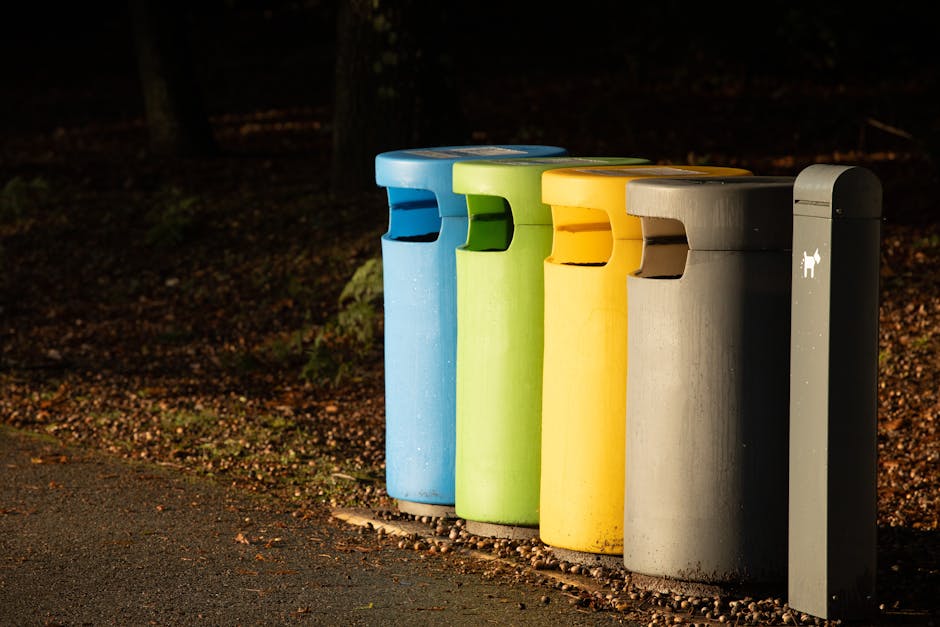
| Colour-coded bins or bags | Separating general waste, recycling, and food waste | Makes sorting easier for guests and staff |
| Bin liners and spare bags | Fast swaps during busy periods | Prevents overflow and delays |
| Handheld litter pickers | Final sweep across grass and hardstanding | Speeds up loose litter collection |
| Trolleys or sack trucks | Moving heavier bags or bulky containers | Reduces manual strain |
| Site plan with waste points marked | Planning collection routes and bin locations | Helps avoid blind spots |
| Clear vendor brief | Guiding traders and volunteers | Stops waste habits drifting off-track |
Useful supporting pages on the site include about us if you want to understand the team behind the service, and contact us if you need to discuss an event plan in more detail. If you are dealing with sensitive or mixed materials, the insurance and safety information is worth reviewing too. It gives peace of mind, which is never wasted.
For organisations that value accessibility and transparent service information, the accessibility statement and payment and security pages are useful for building trust before any booking is made.
Law, Compliance, Standards, or Best Practice
Event waste collection in a public park should always be handled with care, even when the waste itself looks ordinary. In the UK, organisers and their contractors generally need to think about duty of care, safe handling, and responsible disposal. The exact requirements can vary depending on the nature of the event, the type of waste, and who is responsible for the site.
As a practical rule, you should make sure waste is:
- stored safely and not allowed to create hazards
- collected by competent people using suitable equipment
- sorted where reasonable to support recycling and recovery
- transferred in a traceable and lawful way
- handled in line with any site-specific permissions or event conditions
If your event includes contractors, traders, or subcontracted teams, make responsibility clear in writing. Who provides bins? Who empties them? Who handles final site clearance? These questions sound dull until they are not. Then they matter a lot.
Best practice also includes making sure staff understand how to deal with sharp objects, broken glass, or contaminated waste if those arise. A simple briefing can reduce risk dramatically. For more general operational support, many organisers also review a provider's broader health and safety policy and approach to recycling and sustainability before deciding who to work with.
One important note: if you are unsure whether a material should be treated as general waste, recyclable material, or something needing special handling, ask before the event rather than improvising on the day. That is the kind of thing that is much easier to solve at 9 a.m. than 9 p.m.
Options, Methods, or Comparison Table
There is no single right way to manage park event waste. The best method depends on scale, staffing, and how much waste the event is likely to generate. Here is a simple comparison to help narrow things down.
| Method | Best for | Strengths | Limitations |
|---|---|---|---|
| Volunteer-led bag collection | Small community events | Low cost, flexible, easy to set up | Can struggle if footfall rises quickly |
| Scheduled onsite collections | Medium events with steady visitor flow | Keeps bins from overflowing, more controlled | Needs planning and staff coordination |
| Dedicated clearance team | Larger public events or mixed waste streams | Efficient, organised, safer for bulky or heavy waste | Usually costs more than DIY handling |
| Mixed approach | Events with both recycling and general waste | Flexible and scalable | Requires clear instructions to avoid contamination |
For many organisers, the mixed approach is the sweet spot. You can keep front-of-house tidy with simple bin stations, while arranging a proper end-of-day collection for heavier or awkward items. It is a practical compromise, and often the least stressful one.
If your event also includes private clear-out items afterwards, such as leftover stock or furniture, you may want to look at office clearance if the setup is business-focused, or flat clearance if the event is part of a residential move or community reuse project. The point is not to force everything into one service label; the point is to match the method to the mess.
Case Study or Real-World Example
Picture a Saturday afternoon event in Valentines Park. A local group has organised food stalls, a small music area, and tables for visitors to sit and chat. At the start, everything looks neat enough. By early afternoon, the coffee cups start stacking up near the seating area, cardboard from vendor deliveries begins to gather behind one tent, and someone has set down a half-finished plate beside a bench. Nothing dramatic. Just normal event life.
Now compare two approaches. In the first, organisers wait until the end and hope the final sweep will sort it all out. The problem is obvious: by then the bins are full, the ground is messy, and staff are trying to clear heavy bags while also packing equipment. It becomes slower, noisier, and a little fraught.
In the second approach, a small team checks the bins twice during the day, replaces liners early, and keeps a separate bag for cardboard and bulky packaging. By the close of the event, the site already feels half-finished in a good way. The final sweep takes less time, the public sees a tidy park, and the handback is calmer. No heroics. Just decent planning.
That is the real value of proper event waste collection. It does not just clean up after the event. It protects the whole experience while the event is still happening.
Practical Checklist
Use this checklist before and during your event so nothing important gets missed.
- Confirm the expected number of guests and vendors
- Identify likely waste types: food, drink, cardboard, packaging, mixed rubbish
- Map bin locations near seating, entrances, and catering areas
- Assign someone to monitor waste during the event
- Keep spare bags, liners, and gloves available
- Separate bulky items from general litter where possible
- Plan the final sweep route before the event ends
- Check access for collection vehicles or removal staff
- Review safety guidance for sharp or contaminated waste
- Confirm disposal arrangements and any relevant paperwork
- Make sure the site is left clear, tidy, and ready to hand back
Quick rule of thumb: if you think you have enough waste capacity, add a little more. Events always create more than you expected, especially once food and weather get involved.
Conclusion
Valentines Park event waste collection in Ilford is really about control, not just collection. When waste is planned properly, the event feels smoother, the site stays safer, and the final handover is far less stressful. That matters whether you are running a small community gathering or a larger public event with food vendors and temporary equipment.
The best results come from a simple mix of early planning, sensible bin placement, regular monitoring, and a proper end-of-event sweep. Add clear responsibility, a realistic waste estimate, and a provider who understands local expectations, and you are already ahead of the game.
If you are still shaping your event plan, take the time to map the waste early. It is one of those small decisions that quietly improves everything else. And when the park is left clean at the end of the day, that feeling is pretty satisfying, truth be told.
Get a free quote today and see how much you can save.
Frequently Asked Questions
What does Valentines Park event waste collection in Ilford actually include?
It usually includes planning for bins or bags, clearing general litter, removing food packaging, managing recyclable materials where possible, and carrying out a final site sweep after the event. Larger setups may also need bulky item clearance.
How far in advance should I arrange event waste collection?
As early as you can. For smaller events, a bit of notice is often enough, but larger or busier events benefit from earlier planning so bin locations, collection times, and access routes can all be agreed properly.
Can waste be collected during the event, not just at the end?
Yes, and in many cases that is the smarter option. Mid-event collections stop bins from overflowing and help keep the site pleasant for visitors. For busier events, regular checks are usually worth it.
What types of waste are common at park events?
Typical waste includes cups, plates, food scraps, cardboard, plastic packaging, flyers, napkins, table coverings, and sometimes broken or unwanted temporary furniture. The exact mix depends on the event type.
Is recycling possible at outdoor events?
Often, yes. It depends on the setup and how well the waste is separated. Clear signage and correctly placed bins make a big difference, though contamination can still happen if everything gets mixed together.
Do I need a professional service for a small community event?
Not always. A small event can sometimes be managed with volunteers and a simple waste plan. But if there is food service, higher footfall, or limited staff, a professional collection can save a lot of hassle.
What should I do with bulky items left after the event?
Bulky items should be separated from general litter and arranged for a suitable clearance service. Depending on the material, that might involve furniture clearance, furniture disposal, or another more specific method.
How do I know whether my event waste plan is good enough?
A good plan keeps the site tidy during the event, prevents overflowing bins, gives staff clear responsibilities, and ends with a fast, complete final sweep. If any of those parts feel shaky, the plan probably needs tightening up.
What are the biggest mistakes organisers make?
The most common mistakes are underestimating waste volume, placing bins badly, leaving the final sweep too late, and not separating bulky or awkward items early enough. Those small oversights add up quickly.
Is there a difference between waste removal and event waste collection?
Yes. Waste removal is the broader term, while event waste collection is more specific to temporary gatherings, timed clear-ups, and the practical needs of a site that must be left clean on schedule.
How can I make waste collection easier for guests and visitors?
Keep bins visible, label them clearly, and place them where people naturally gather. If guests have to go out of their way to dispose of rubbish, they often will not, which is how litter starts to spread.
Can I get help with event waste if I also need other clearance work?
Yes. Many organisers need more than one service, especially if the event has temporary furniture, leftover stock, or mixed site waste. In that case, a broader approach such as garage clearance or another relevant clearance service may be useful depending on what needs to go.